My Thesis Goes 'Mainstream' — And That’s Starting to Worry Me
I'm not bearish, but I'm increasing my caution and working harder to keep accounts near highs. Here's why the rally could be harder from here.
You've reached your free article limit
You've read 0 of 1 free Pro articles.
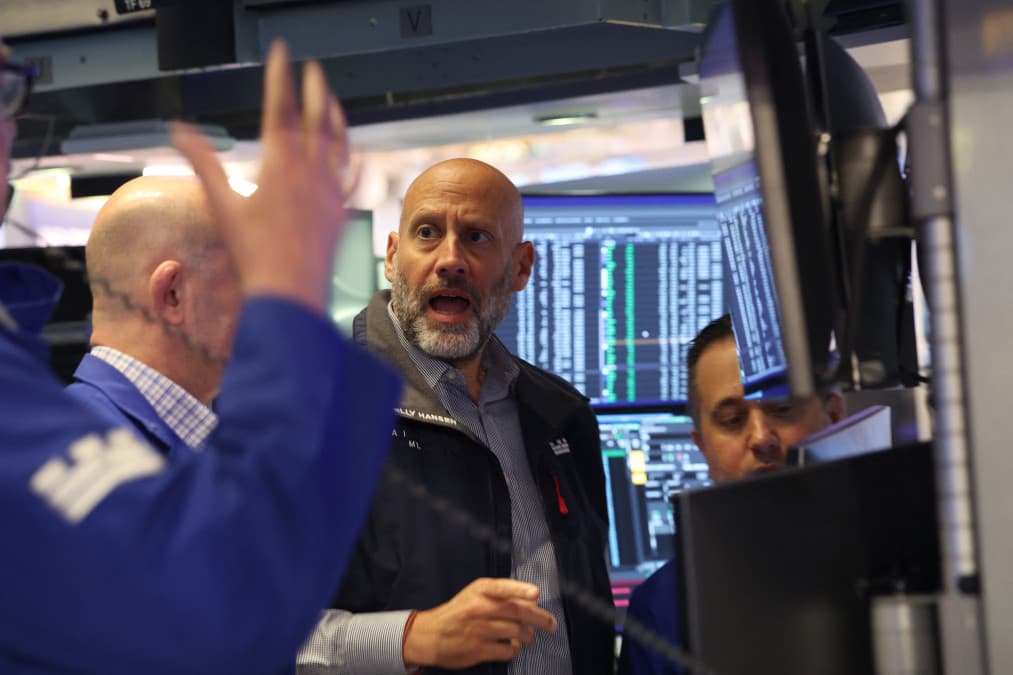
Following the market's worst performance in nearly three weeks, futures are higher on Wednesday morning after President Trump extended the ceasefire with Iran late on Tuesday. The extension illustrates Trump's reluctance for further military action that destroys Iranian infrastructure, which carries a high cost to the world economy and the Iranian people.
Trump is giving Pakistani mediators more time to push Iran into presenting a unified position, which the U.S. believes does not exist. The window for Iran to act is likely three to five days. The naval blockade of Iranian ports remains in place while Iran sorts out who is in charge.
Supreme Leader Mojtaba Khamenei has barely communicated, the IRGC and the civilian negotiators are at odds, and one senior adviser to the Iranian delegation called the extension meaningless. So far, nothing has been resolved, and the hard decision was delayed for a few days.
The good news is that the market is happy with this decision and is rebounding, but I'm concerned about how far it will carry.
The Consensus Arrives
For a few weeks now, I've been writing about the dynamics that have caused this powerful rally despite the ugly headlines. There is a combination of poor positioning, a Wall of Worry, and a failure to recognize the power of momentum.
This morning, The Wall Street Journal is writing "No Peace Plan, No Problem: Why the Wartime Market Keeps Rising. Bad news stirs greater interest among investors who see only prospects for records." Bloomberg ran a similar piece recently and CNBC has been explaining the "TACO trade," short for "Trump Always Chickens Out," which argues investors have been conditioned to buy every escalation because Trump eventually pivots.
In other words, the mainstream media is now recognizing the phenomenon that we have been discussing for a while and that is reason to be a bit more cautious. Every war headline that was supposed to kill the rally instead became a buy-the-dip setup, but that dynamic is going to lose steam as it is recognized by the mainstream media.
Good markets wear out the bears in much the same way bad markets wear out the bulls. That is what this tape has been doing for a while. It is grinding down the bears and the skeptics. The Nasdaq streak that snapped Monday was its longest since 1992 as the bears give up.
Vigilance, Not Victory Lap
When a thesis moves from the fringe to the front page, the easy part of the trade is usually done. Consensus does not mean the trend stops. It does mean the reward for being right goes down while the risk of being wrong goes up. The same buy-the-dip behavior that paid off through March and early April is now extremely obvious, which is exactly when these setups historically get more fragile.
I'm not turning bearish here but I believe that further advances will be much more difficult as it becomes harder for the market to sustain several more "the war is over" rallies. Even when the war really does come to an end we will be faced by a significant "sell-the-news" setup.
The bears' main point for quite a while has been that the market is not pricing in a slew of negatives. Goldman Sachs (GS) raised its December headline PCE forecast a full point to 3.1% and cut 2026 GDP to 2%. The IMF lowered global growth to 3.1% and named Iran as the primary driver. Citigroup warned that if the Strait of Hormuz stays disrupted another month, oil will hit $110 and global inventories will fall to an eight-year low by end of June, even if the war ends this week.
CPI is running at 3.3%. The S&P came into the year at the second highest Shiller P/E reading in 155 years. Kevin Warsh told the Senate Tuesday he will not be a "sock puppet" for the White House on rates.
At some point, when volatility increases and selling pressure picks up, all of these negatives will be cited as the reason for the struggles. Right now, they don't matter because the price action is still positive, but the justifications for selling pressure are ready and waiting.
Mark to Market
My approach when a good thesis becomes consensus is to mark my position to market and consider whether I would buy the same position today. Would I buy this stock at this price, given economic and technical conditions?
If the answer is yes and I still like the charts, I hold and maybe add on pullbacks. If the answer is no, I tighten stops or peel some off.
The point is not to flip bearish. It is to protect gains and to work to keep accounts as close to highs as possible.
My Game Plan
My approach going into today is more defensive than it has been in a few weeks. I am letting winners run but I am not chasing new positions at these levels. If I buy more, it will be on pullbacks and dips. I still believe there are plenty of buyable charts but I'm not going to give back some very nice recent gains.
I'm still positioning for the onslaught of earnings reports and am focused on stock picking but I don't like the fact that the mainstream business media is now embracing the market dynamic that has been out there for a while. When everyone recognizes what is happening it means we are moving closer to a shift.
Related: JPM and Industrials Tried to Lead—Then Faded
At the time of publication, Rev Shark had no positions in any securities mentioned.