6 Psychological Traits Necessary to Be a Great Trader
What worked last year might not this year. And just when you want to give it up is when you should push on. Learn these and other secrets that make for great investing.
You've reached your free article limit
You've read 0 of 1 free Pro articles.
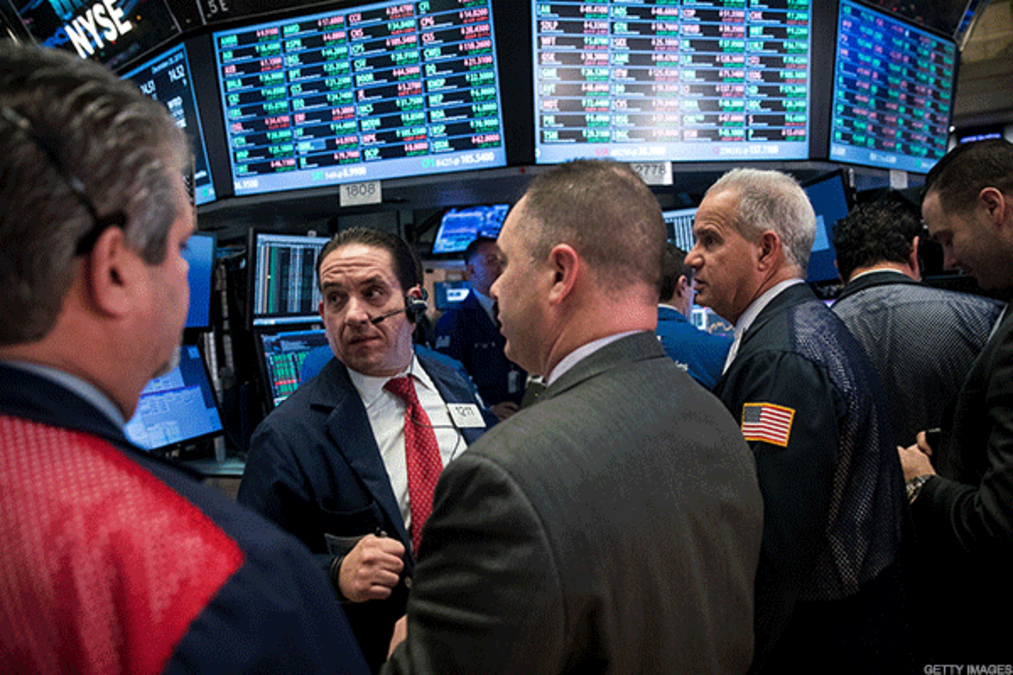
The key to becoming a great trader is cultivating the right psychological makeup. Capital, tools, and knowledge can be acquired, but the mindset cannot be bought. It has to be built over time through an ongoing battle with the irrationality of the market beast.
Some people have a natural proclivity toward the traits that successful trading requires, but anyone willing to be brutally honest with themselves can cultivate the qualities needed for success. It takes time and intense self-reflection. Most traders never do it, which is why most traders are not exceptional.
Here are the six traits that great traders must develop:
1. Persistence. Looking back on my trading career, what has benefited me more than anything is working at it every day. Not brilliance or a special system, just slogging away through the ups and downs of the action day after day.
Trading is frustrating. There will be stretches that last months where it feels like you can't do anything right, nothing works, and the voice in your head tells you to quit. That is when it is most important to protect your capital and keep going. The cycle will eventually turn in your favor. It always does, but only for those who are still slogging away.
2. Discipline. Persistence without discipline is just stubbornness and is highly unproductive. Every trader knows the rules: Cut losses quickly, don't chase, size positions appropriately. Knowledge is not the problem. The problem is following the rules when it is difficult to do so.
Discipline is what separates the trader who survives a bad stretch from the one who doesn't. It is easy to follow your rules when trades are working. The test comes when trades aren't working. The loss you don't want to cut, the position you want to add to when you shouldn't. Those are the moments that define a trading career. Discipline keeps you in the game and allows you to benefit greatly when the trades are clicking.
3. Patience. Discipline combined with timing is patience. Traders often think they have to be in constant motion, but the best ones know how to wait. The ability to shift from long periods of doing little to sudden decisive action is the hallmark of great trading.
There will not be a constant flow of opportunities every day. That is the nature of the market, and it is not a problem. Sit and wait for the right conditions, and it will happen. Trying too hard when conditions are poor produces poor results. Get used to not doing anything for long stretches, but be ready to move fast when the time is right.
4. Optimism. Optimism doesn't mean that you think the market will only go up. It means that you are absolutely confident that there is always another great trade out there, and that if you keep looking for it, you will eventually find it.
There will be plenty of bad trades along the way, but that is just the cost of doing business. You cannot have great trades without bad ones. The job is to make sure the inevitable bad trades don't impair your capital or your confidence.
Bear markets are not the enemy. They are where the next round of opportunities is built. Great traders stay positive, not because the market beast is their friend, but because they know the beast will eventually give them an opportunity for profits.
5. Humility. All traders are at the mercy of the market beast. There is no way to know what it will do next, and the moment you believe you have her figured out is the moment she will punish you. You are just a humble trader, and it is foolish to believe that you can predict what the market will do next.
Humility also means accepting that you never stop learning. The market is always evolving, and what worked before may no longer work. Admitting that there is always something new to be learned keeps you sharp. Thinking you know it all is a recipe for disaster.
6. Adaptability. Humility is the trait that tells you that you don't have all the answers, and adaptability is what you do about it.
The market that rewarded your approach last year may be a different market this year. Passive investing, algorithmic trading, social media, AI, big caps, small caps. There is always something new, and the mechanics of how markets move change and will keep changing.
Related: China’s Influence Rises as Beijing Becomes Unusual U.S. Ally on Iran
Traders who struggle are often not lacking discipline. They are applying the right rules to the wrong environment and fail to acknowledge that they need to adapt to current conditions. The line between discipline and stubbornness is not always easy to find. Discipline tells you to follow your rules. Adaptability says know when the rules need to change. Maintaining the right balance without drifting into one extreme or the other is some of the hardest work in trading. It will never be fully resolved. You get better at navigating it.
Trading is difficult, and markets are hard. That is exactly why it can make you very rich. If you build the psychological foundation first, the profits will flow for the rest of your life.
At the time of publication, DePorre had no position in any security mentioned.