I Won't Be Fooled by Any Rally, Until Hormuz Opens
The conflict with Iran appears nowhere close to being resolved, so here's how I view the market and trades now.
You've reached your free article limit
You've read 0 of 1 free Pro articles.
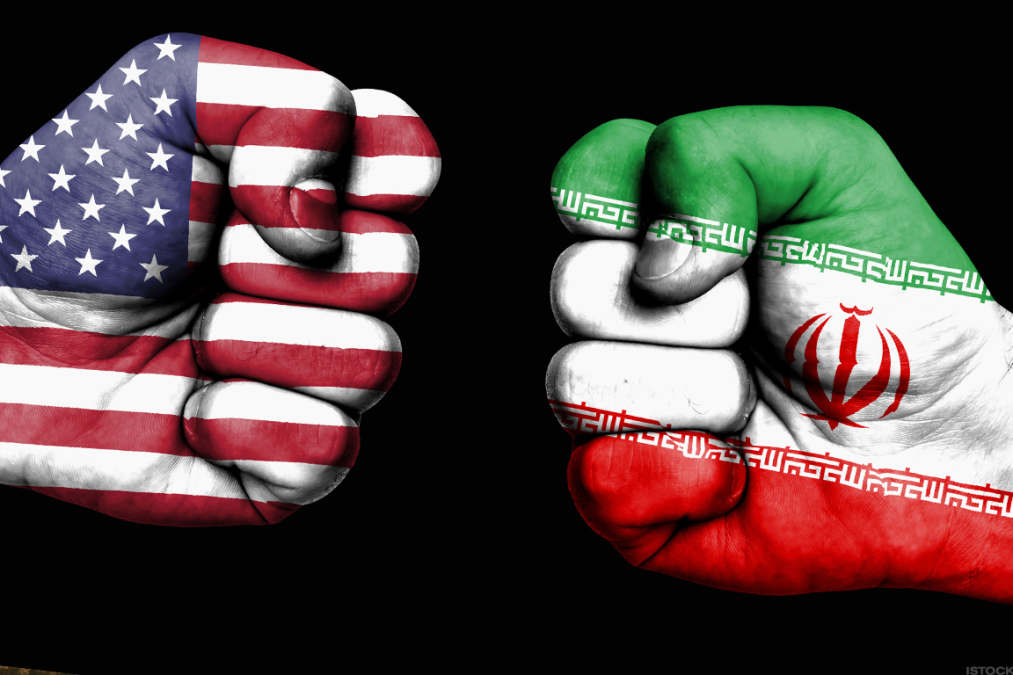 U.S.-Iran Conflict
Stocks broke a five-week losing streak last week and delivered a nice relief rally. This was largely due to a huge rise on Wednesday after a two-week ceasefire was announced at the 11th hour. This was dubbed another "TACO moment" by some and drove the best day for equity performance in nearly a year. Oil experienced its biggest daily decline in six years.
There was little in the way of follow up, however, in trading on Thursday and Friday in the stock and oil markets. Equities did drift higher, but oil held the $95/barrel level on the WTI. In addition, initial talks between Iran and the U.S. led to little real progress and the announcement of a new blockade by the U.S. military of the Strait of Hormuz. Hostilities in Lebanon continue and traffic through this critical global choke point remains at a trickle. Some 800 ships are still waiting to traverse this global chokepoint, roughly half being oil and other fuel tankers. Oil is moving sharply higher on events over the weekend.
Asia and Europe have been harder hit than the U.S. by this crisis, and they have much higher exposure to energy exports from the regions. That said, the U.S. economy is feeling some pain. The March consumer price index reading was up 3.3% on a year-over-year basis, a significant increase from the 2.4% 12-month CPI rise in February. The over 21% hike in gasoline prices in March drove most of that increase.
Consumers certainly have noticed gasoline selling at over four bucks a gallon for the first time since 2022. 12-month inflation expectations last week rose 100 basis points from the previous reading a month ago to 4.8%. This certainly is not helping on the consumer front, where last week’s consumer sentiment reading hit a historical low. I personally have seen a big jump in Uber (UBER) and Lyft (LYFT) fares, thanks to the surge in gasoline prices.
And it is not just gasoline, jet and diesel fuel prices have skyrocketed since this regional conflict erupted in late February. The rail and trucking industries are dependent on diesel, which means the costs for transporting goods to market just moved substantially higher. I expect more companies to follow the likes of Amazon (AMZN) and USPS to announce "temporary" surcharges in the weeks ahead.
Food inflation will be ticking up in the coming months and quarters as higher fertilizer prices make their way through the agricultural ecosystem. The International Monetary Fund warned last week that this war was bound to "slow global growth, raise inflation, and worsen food insecurity globally." Mark Zandi at Moody’s Analytics stated recession risks were becoming "uncomfortably high."
And any hopes for rate cuts should have dissipated due to increasing worries and early signs of renewed inflation. The yield on the 10-Year treasury has risen 15 basis points so far in 2026. This is the last thing the moribund housing market needed. Not to mention the federal government and commercial real estate sector, given the trillions of dollars that need to be refinanced this year. I expect this conflict will also lead to more cautious guidance from corporate managements as first quarter numbers start to be reported this week.
Until a resolution is reached that restores the normal state of traffic through the Strait of Hormuz, I will view any substantial rebounds in the market as a head fake. I will also only trade incrementally until clarity is provided and normality restored.
At the time of publication, Jensen had no position in any security mentioned.