We Could Be Headed ‘Strait’ for Trouble
If a deal with Iran isn’t reached soon, the economy and the markets could be in rocky waters.
You've reached your free article limit
You've read 0 of 1 free Pro articles.
First -quarter earnings season is now largely over. Both revenue and earnings growth from the S&P 500 came in substantially above where expectations were at the end of March. That said, a huge chunk of this was due to the outstanding results from the semiconductor names like Intel (INTC), Micron Technology (MU), and Texas Instruments (TXN). Revenue growth rose an incredible 85% year-over-year at Nvidia (NVDA). This stock and Apple (AAPL) now make up over 15% of overall market capitalization. A market concentration never seen before in the history of the U.S. stock market.
Despite the myriad economic and geopolitical issues that the market faces, Q1 numbers have driven eight-straight weeks of gains from the S&P 500. But first-quarter earnings season is largely over. This leaves the question of what is going to support a further equity rally as the market enters historically the weakest six-month period for stocks?
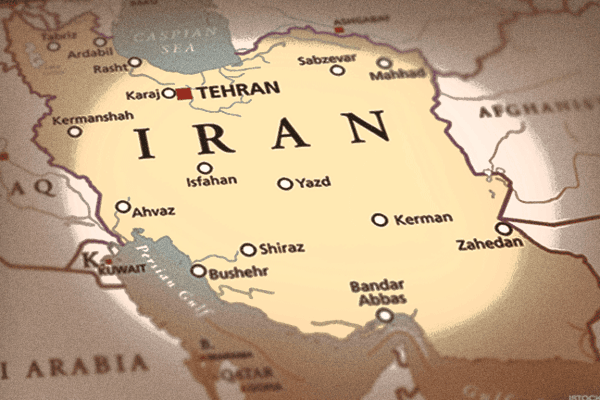
The biggest problem for the global economy is obviously the continued closure of the Strait of Hormuz, from which 20% of global crude exports flowed prior to the onset of this conflict. There is increased commentary from the administration that some sort of agreement will soon be reached to reopen this global choke point. I hope that this turns out to be accurate, but the devil is in the details, and I am in a trust but verify mode right now given all the false starts on this front.
And it is getting critical that the Strait of Hormuz gets reopened soon. JP Morgan recently put out an analysis projecting that if this key transit point remains closed through June, the ramifications to the global economy and supply chains will be profound. Rapidan Energy Group put out a report last week whose base case was that the Strait of Hormuz would be fully reopened by July and Brent crude would peak at $130/barrel. If this closure drags on into August or September, it could tip the economy into a global recession.
Global oil inventories are rapidly being depleted. The U.S. is certainly better positioned than either Europe and Asia, but that will be of little comfort if this situation isn’t resolved soon. Something investors remain overly complacent around. Gasoline prices have shot to $4.50 a gallon, further depressing consumer sentiment in May, which is at the lowest levels since the University of Michigan started surveying this metric more than 70 years ago.
Diesel prices have moved up two bucks a gallon since the beginning of the year. This is significantly increasing transportation costs for anything that needs to be moved by truck or rail. Fertilizer prices have surged over 40%, meaning increased food inflation is now in the pipeline in the months and quarters ahead.
The negative impacts for inflation have taken the prospects of further reductions to the Fed Funds rates off the table. The first action by new Chairman Warsh may be a hike in rates if no Middle East agreement is reached soon.
Last week, these inflation pressures and massive federal borrowing needs pushed the yield on the 30-Year treasury up near 5.2% for the first time since the summer of 2007. Stellar first-quarter results allowed investors to overlook the growing ramifications from the conflict with Iran. Those tailwinds are now largely over. And the next few weeks could be extremely rocky ones if no progress is made on restoring this critical trade route and normalizing global supply chains.
At the time of publication, Jensen had no position in any security mentioned.