Setting the Stage for Stagflation?
Let’s look at ‘higher for longer’ fuel prices, the Iran conflict and what I’m cautious right now.
You've reached your free article limit
You've read 0 of 1 free Pro articles.
Conditions have been deteriorating across the market ecosystem as interest rates have moved upward and are likely to remain “higher for longer.” This is happening as inflation remains stubbornly sticky and because of the huge debt issuance from sovereign governments. AI-related concerns are also playing a role. I hightlighted all this in Tuesday’s column and now let’s dig in a little deeper.
Let’s look at fuel. Higher for longer brent oil prices just surged over the $100 a barrel threshold once again this week. As I warned many times in these columns over the past couple of months, there is way too much complacency around the latest geopolitical situation as it relates to energy and commodity prices. Especially to the supplies of refined products like diesel fuel.
Once again, the situation in the Middle East has escalated significantly. Iran has targeted U.S. ships and military facilities in Jordan. CentCom in return has crippled numerous Iranian oil tankers around Kharg Island. In addition, the Houthis, taking a page from the Ukrainian armed forces, have launched their largest missile and drone assault on key energy infrastructure targets in Saudi Arabia. In return, Saudi forces have resumed bombing sites in Yemen.
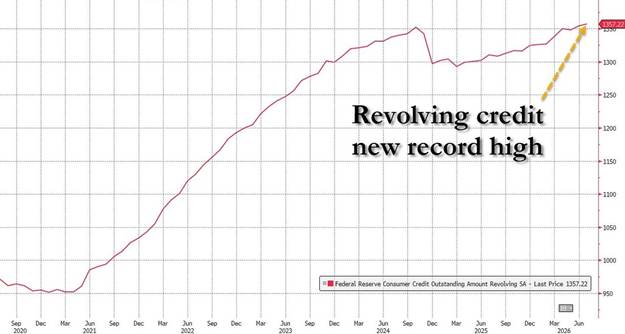
Attacks continue to escalate from both Russia and Ukraine on shipping and port facilities, and Russian continues to suspend diesel exports. Diesel fuel is averaging just over two bucks a gallon above the level they began 2026. This is increasing the transportation costs for every product that needs to be moved to market. Gasoline is averaging $4.20 a gallon and significantly above five bucks a gallon in states like California and Hawaii. This is hardly helping consumer sentiment, which continues to hover near all-time lows. The personal savings rate has dropped to under 3% and credit card debt just hit another record of just north of $1.35 trillion.
And the challenging part for investors is that there are no clear resolution paths for any of these conflicts. The price of oil from Canada, South America and Africa have jumped in recent weeks as China has returned to being a major buyer in the markets as well. And even if all of the conflicts that are impacting the energy markets were resolved by the end of the month, severely depleted strategic petroleum reserves across the globe will need to be refilled over the coming months and quarters. This will be a tailwind for crude prices.
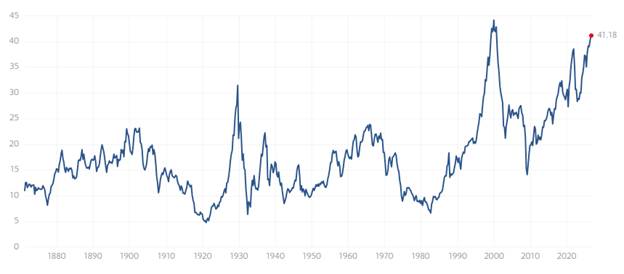
And regardless of what decision the Federal Reserve makes next week, the combination of surging energy prices, a struggling consumer and interest rates moving upward are a recipe for stagflation. This is a scenario that is no way priced into the current market. One of the many reasons that I remain quite cautious with my portfolio allocation. Roughly 5% is in cash that is available for any new opportunities that come along. About 20% to 25% is held in short-term treasuries. The rest of my portfolio is expressed within covered-call positions around the few stocks I am finding in this market right now with reasonable valuations.
Not surprisingly, the energy sector has the second largest weighting within those holdings. I also heavily underweight sectors dependent on consumer health like retail, hospitality, home builders, and durable goods manufacturers.
At the time of publication, Jensen had no position in any security mentioned.