Strait of Hormuz Reopening? These Asia ETFs Could Be Big Winners
Are investors missing the cleanest macro trade of 2026?
You've reached your free article limit
You've read 0 of 1 free Pro articles.
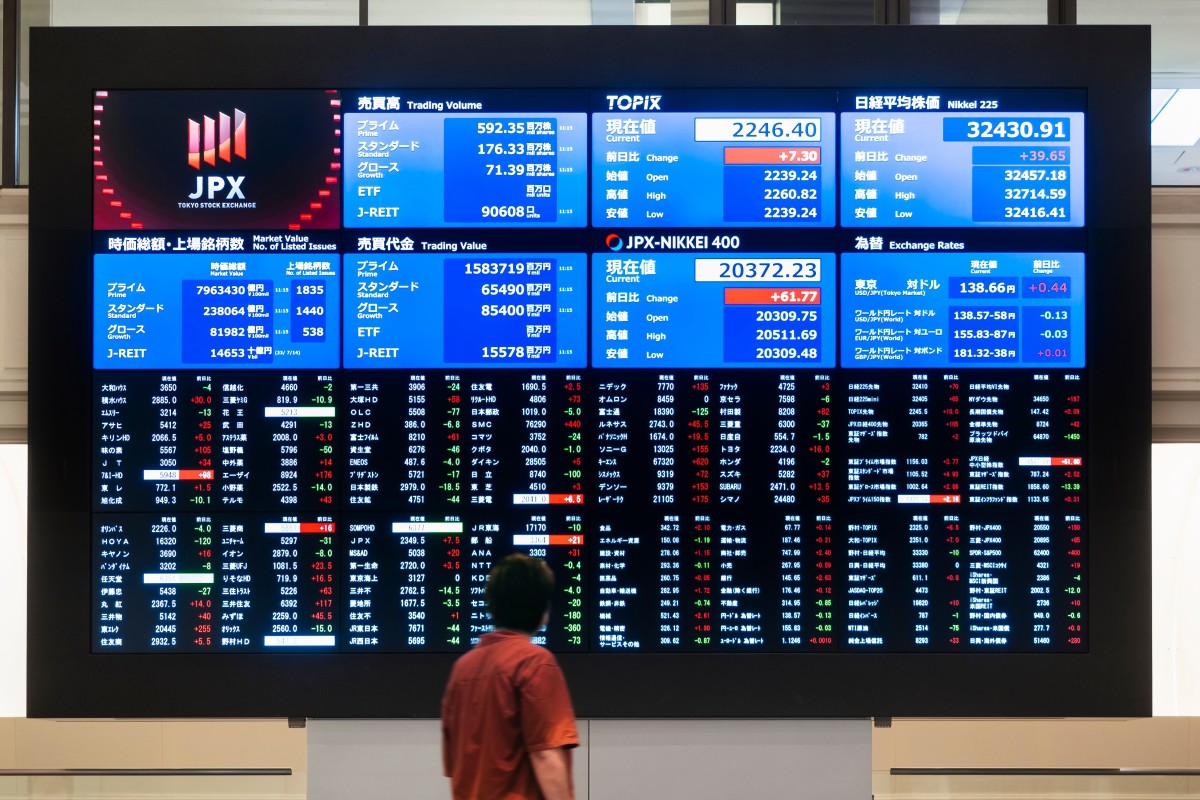 Asia stock markets
As the U.S.-Iran conflict unfolds and ultimatums turn into potential talks, one outcome becomes increasingly likely — the Strait of Hormuz could reopen gradually.
When it does, global oil prices could fall fast and deliver an immediate tailwind for the world's biggest importers of oil. Asian economies route a large portion of their crude through the critical waterway.
Here Are ETFs Ranked By the Highest Potential Gain
Here's an evidence-based playbook for profiting using ETFs. I've ranked them by upside potential based on exposure to oil, current economic trends, and current valuations.
Here is a summary with some rationale:
1. iShares MSCI China ETF (MCHI) . China is the largest absolute beneficiary with 40-45% dependency. Lower energy costs could increase profits of industrials, consumer, property and EV sectors. Cheap valuations give the most room for multiple expansion.
2. iShares MSCI India ETF (INDA) . India has unmatched growth momentum in this group and has 42% oil dependency. Cheaper fuel cuts subsidies and helps the profits of consumption and manufacturing.
3. iShares MSCI South Korea ETF (EWY) . South Korea has a highly energy intensive economy with semis, autos and petrochemicals industries dominating. The stocks were already punished hardest by the oil spike, so this could lead to a sharp rebound.
4. iShares MSCI Japan ETF (EWJ) . Japan is very dependent on this crucial oil supply with a dependency of 73%. Exports could be more competitive and improve lower input costs.
5. iShares MSCI Taiwan ETF (EWT) . This tech-heavy supply chain could rally, but to a lesser degree potentially as the valuations are more stretched.
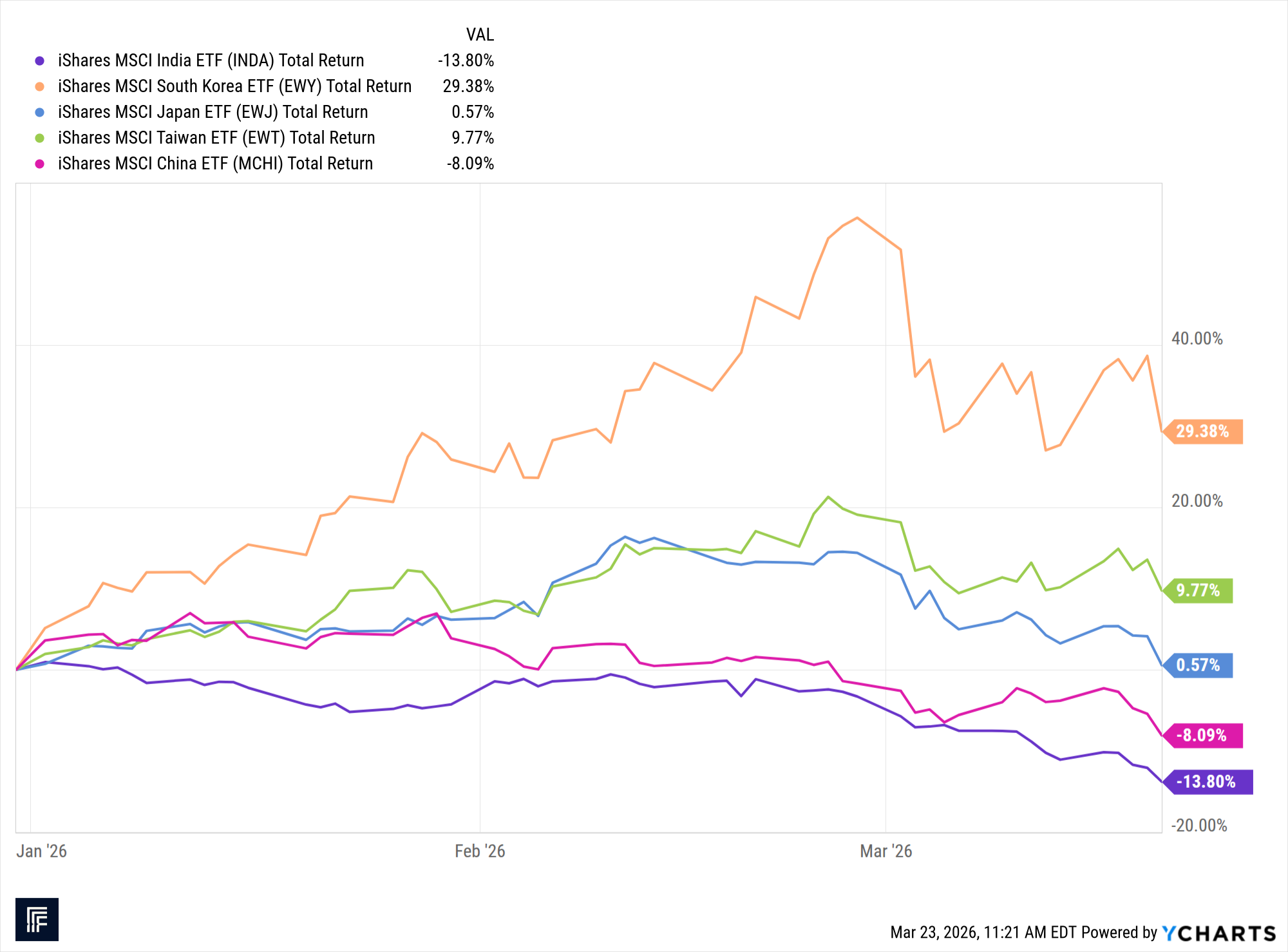
Here Is a Basket of ETFs That Could Profit From Lower Oil Prices
If you want to make this a simple trade, you could invest in the iShares MSCI All Country Asia ex: Japan ETF (AAXJ) . This ETF has heavy exposures to China (25%), Taiwan (25%), South Korea (18%), and India (14%). This is exactly the market positions that could benefit from lower oil prices.
Another simple and reasonable starting point could be to weight individual country ETFs inversely to volatility and normalized to 100%. As of today, this is approximately:
- INDA: 31% (lowest volatility at 14.81%)
- EWJ: 21% (vol 21.54%)
- MCHI: 18% (vol 24.71%)
- EWT: 17% (vol 26.68%)
- EWY: 13% (highest vol at 34.27%)
This approach gives the growth-heavy names more room while dialing down the exposure to choppier markets like South Korea. The total basket volatility ends up being lower than equal-weighting while preserving the upside from potentially cheaper oil prices.

Risk and Timing
The reopening of the Strait is not guaranteed to happen overnight. Many factors could extend the conflict and could take multiple weeks. Any Iranian Islamic regime escalation or delay in allied naval escorts could push timelines out. Broader war risks remain. Starting the position small and increasing as confidence increases is prudent.
Bottom Line
When the Strait of Hormuz reopens, MCHI, INDA, and the Asia complex could see strong gains. Whether you go with multiple individual ETFs or a single ticker (AAXJ) the economic forces appear clearly aligned.
This is one of the cleaner, high conviction macro trades on the board right now. Risks are high, so scaling in and managing your position size is extremely important.
Related: Trump Prompts Volatility With Shallow Attempt to Smooth Markets Amid Iran Conflict
This is not investment advice. Always do your own due diligence and consult your financial advisor.
@louisllanes