What We’re Watching for From Housing as September Rate Cut Expectations Rise
Balancing jobs data with new mortgage originations and key commodity input demand.
You've reached your free article limit
You've read 0 of 1 free Pro articles.
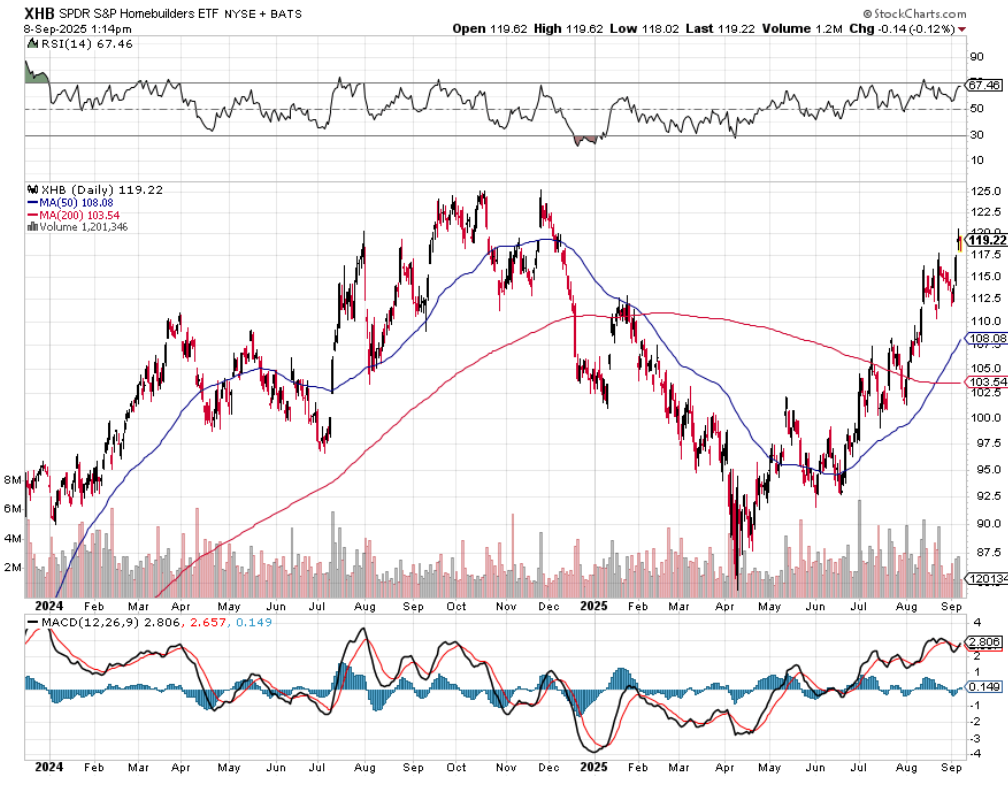
With the growing expectations for a Fed rate cut, shares of the SPDR S&P Homebuilders ETF XHB popped last week to levels we haven’t seen since late last year. You’ll recall that was when the market baked in multiple rate cuts for this year, only to see those hopes dashed and homebuilder and related stocks get whacked.
We continue to think that this week’s August CPI and PPI data will be a factor in what the Fed’s updated set of economic projections next week is likely to say about the number of potential rate cuts for this year and next. As you can see in the table below, the most recent updated set of economic projections shared by the Fed in June shows two rate cuts this year and one next year.
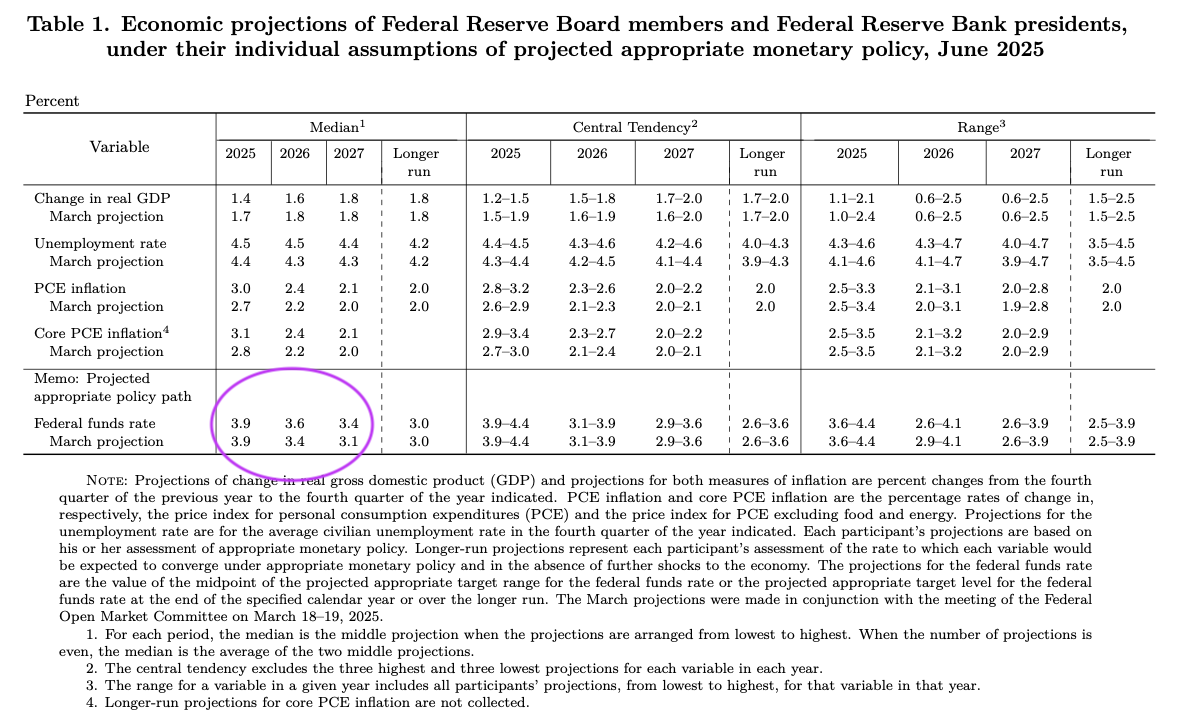
If that forthcoming inflation data is in sync with the trend we’ve seen with ISM PMI Price data, the likelihood for two rate cuts this year could fall by the wayside. That, in turn, could lead some homebuilding stocks to give back their gains.
While rate cuts could stimulate demand down the road, the slower pace of job creation is another factor to consider when assessing housing demand. Generally speaking, a strong job market increases demand for housing, driving up prices and construction, while a strong housing market, especially affordable housing, creates jobs and provides the stability workers need to find and keep employment. The last few months of far slower than expected job creation and the tick higher in the Unemployment Rate do not telegraph a vibrant housing market in the near-term.
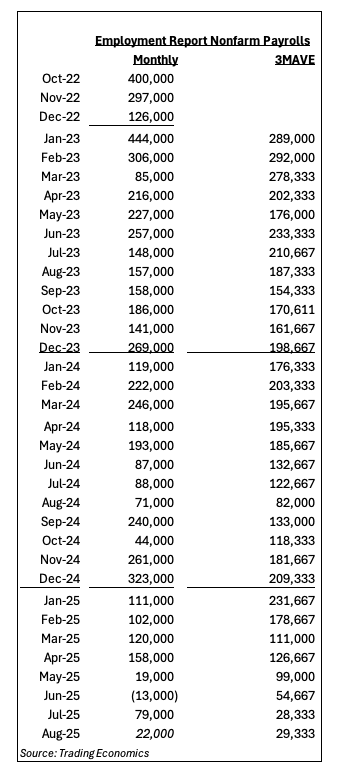
To the figures in the above table, we can add the latest insight on the jobs market courtesy of the New York Fed. Respondents to the central bank’s monthly Survey of Consumer Expectations for August indicated a 44.9% probability of finding another job after losing their current one.
That August figure tumbled 5.8 percentage points from the prior month and is the lowest in the survey’s history, dating back to June 2013. That likely means workers are staying put in their jobs as uncertainty over inflation and economic growth has caused employers to be cautious about growing payrolls. That “job-hugging” puts a damper on moving for a new job, which is a tailwind for housing demand along with the trade-up market.
What Do Dr. Copper and Mr. Lumber Say?
When we examine the demand for housing, if it is picking up, we would expect to see lumber and copper prices moving higher. Estimates put the cost of lumber between 6.5%-8% of the total cost to build a new home, but depending on the size of the home, that can be somewhat larger or a tad lower.
Sticking with the averages, an average new single-family home contains around 440 pounds of copper, which is used in electrical wiring, plumbing pipes and fittings, built-in appliances, and hardware applications.
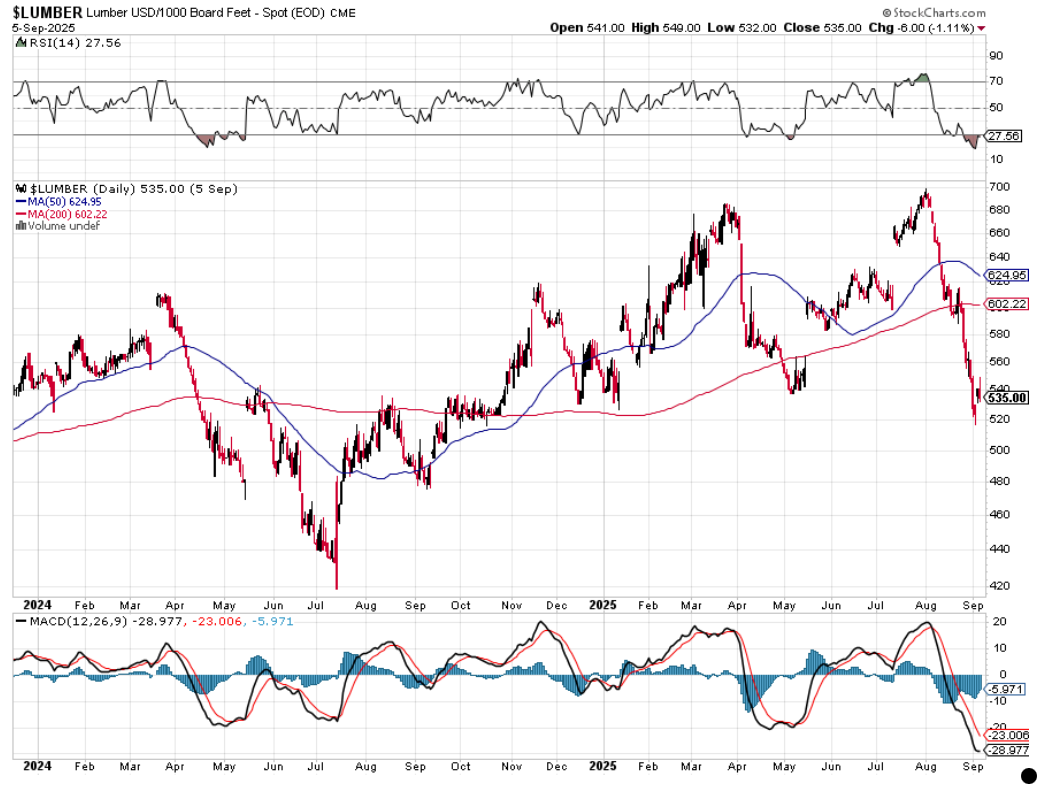
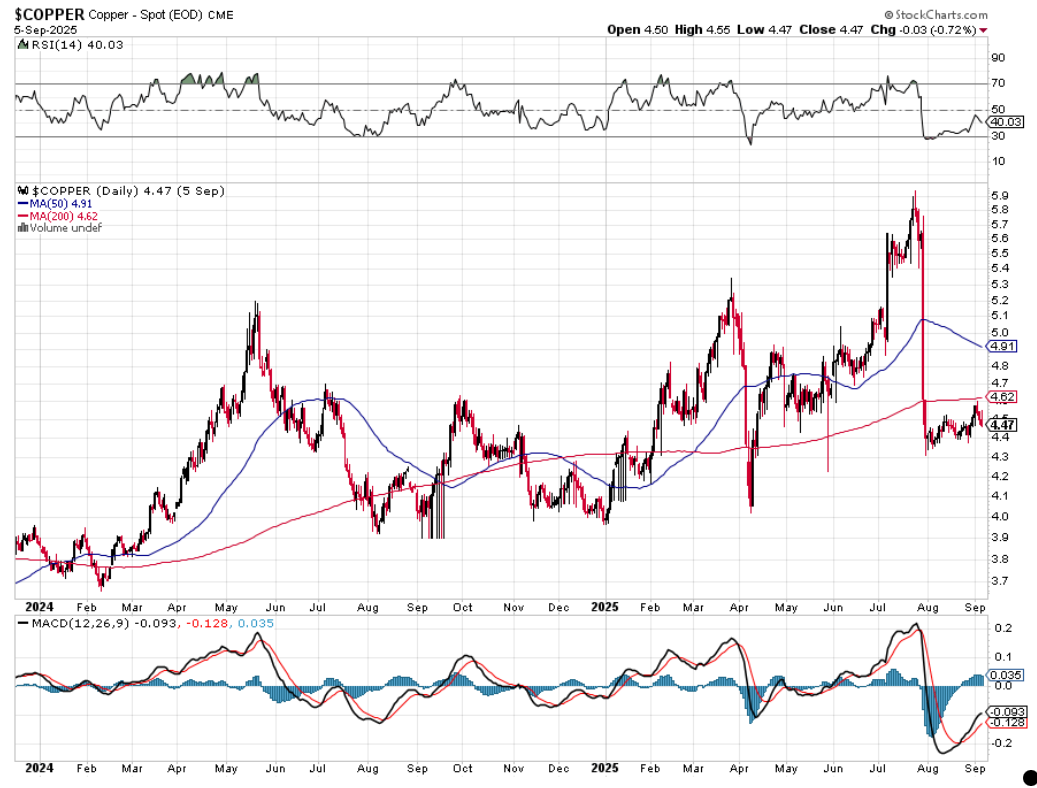
While there is more than a little bit of noise in those charts, given the impact of the Trump tariffs, their recent direction does not paint a picture of rising housing demand.
Looking Ahead
These data points do not support the latest move in homebuilding stocks and keep us on the sidelines for now. However, subject to what we see in the August inflation data and the Fed’s next set of economic projections, we will want to pay attention in the coming weeks to mortgage rates, new mortgage originations as well as copper and lumber prices. While the mortgage rates may stimulate demand, the others will indicate how strong that demand is.
If the Fed signals it still sees two rate cuts for this year and reaffirms expectations for rate cuts in 2026; if that nudges mortgage rates even lower leading new mortgage originations to perk up; and we see a rebound in copper and lumber prices, that would be a time to revisit homebuilders, such as DR Horton DHI, and related companies like Builders FirstSource BLDR, Eagle Materials EXP, Sherwin-Williams SHW, or Masco MAS.
At the time of publication, TheStreet Pro Portfolio had no positions in any securities mentioned.