What to Expect After Reports of U.S.-Iran Ceasefire Extension
It comes down to duration and timing versus consensus EPS expectations.
You've reached your free article limit
You've read 0 of 1 free Pro articles.
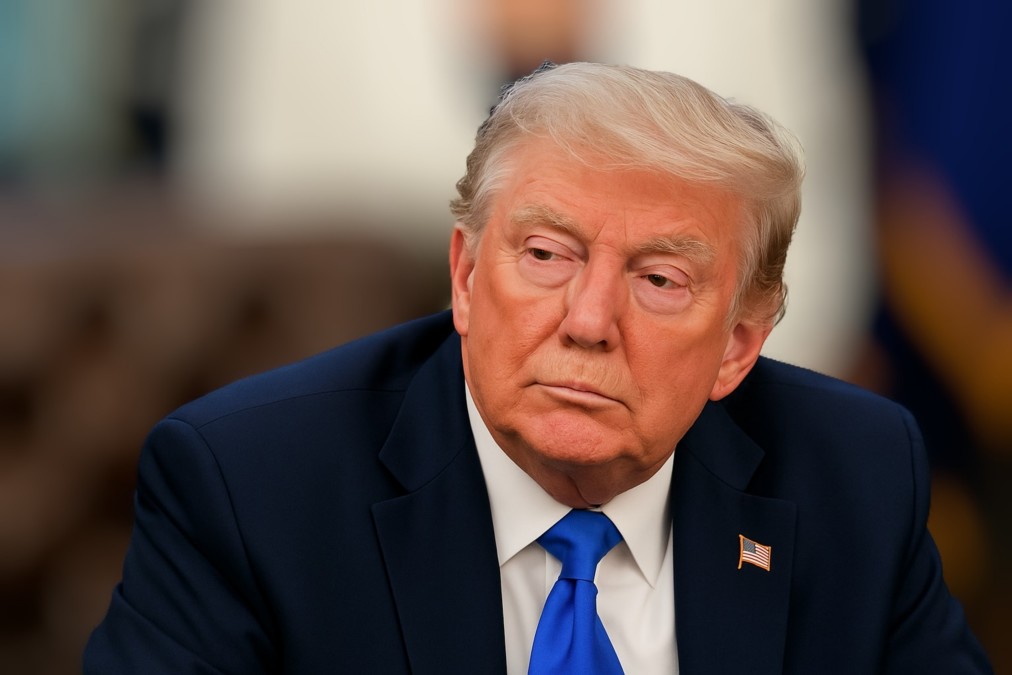 Donald Trump
We are reading reports that the U.S. and Iran are considering a two-week ceasefire extension to allow more time to negotiate a peace deal amid the continued standoff over the Strait of Hormuz and the future of Iran’s nuclear program.
Obviously, we will continue to track developments when it comes to a potential peace deal, and the implications for oil, gas, diesel and other energy prices as well as those for petrochemicals. The same goes for transportation costs and related fuel surcharges.
Should a two-week ceasefire extension come about, that would suggest a peace deal may not come until late April at the soonest. That would mean, in addition to the conflict’s impact affecting one month in Q1 2026, it would have at least a similar effect in the current quarter, even if a peace deal is reached.
Where oil and other prices land following a peace deal, time needed to work through supply chain-related issues associated with the strait and other factors would determine the fuller impact on the current quarter. That comment applies even if a peace deal emerges before the need for a two-week cease-fire extension.
Bottom line: The amount of time associated with “duration” and “follow through” remains central to our lexicon and the market’s focus.
The longer these words remain in play for the U.S.-Iran conflict, the more likely it is that we’re going to need to see their impact reflected in 2026 consensus EPS expectations for the S&P 500. A few weeks of disruption is one thing, but two-months-plus equate to nearly 20% of the year, and that isn’t a minor impact.
Related: How the Evergrande Founder's $42 Billion Fortune Became a Guilty Plea