VIDEO: As DeepSeek Rattles AI Expectations and Nvidia, Here’s What We’re Watching
Buckle up for a big week of earnings, the Fed, and looming Trump tariffs.
You've reached your free article limit
You've read 0 of 1 free Pro articles.
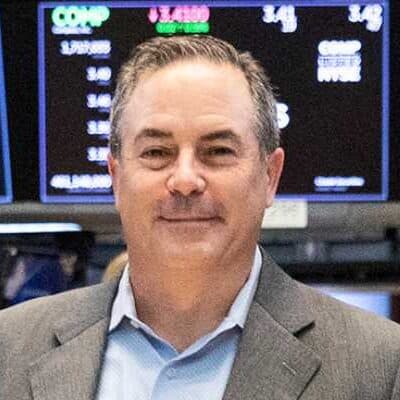
In today’s Daily Rundown video, Chris Versace explains why the return of a “shoot first, ask questions later” setup in the market has it starting the final week of January under pressure. The culprit is questions about big AI spending raised by China’s DeepSeek AI model, but as he explains, comments from Big Tech companies when they report this week and next will bring some much-needed answers.
We also set the table for the Fed’s policy meeting this week, including why last week’s economic data could set up an eventual showdown between the Fed and President Trump. We also lay out out our game plan for potential Trump tariffs on February 1 following Colombia giving in to weekend tariff threats by the president.
Transcript
CHRIS VERSACE: Hey everyone, Chris Versace here, Monday, January 27th. And last Friday the market closed out yet another positive week. And when we look at the performance so far for the month of January, pretty good. All the major averages are up 3% to 4%. The portfolio was up a little more than that, let's say.
So all pretty good. However, over the weekend, Helene Meisler, I hope you read her stuff. You know I do. She pointed out that the market was looking increasingly short-term overbought. Now, as we know, when that happens from time to time, it simply does not take much to jostle the market. And when that happens, we can get what we tend to refer to as shoot first, ask questions later sentiment, mentality among particularly traders.
So that I would argue, is kind of what's happening this morning given reports over the weekend about Chinese AI company DeepSeek. DeepSeek has an AI model that apparently is using older chips, and this potentially disrupts the notion of the need for mega spending on AI data centers and all that supports them. As you can imagine in a shoot first, ask questions later environment, this is pressuring a number of companies this morning, but especially Nvidia, which as we all know, has become the poster child for AI and data center spending.
Now, here's the thing. Nvidia is also the largest constituent of the S&P 500, and this explains why the market is under pressure this morning. As you know, we at the portfolio try not to fall into the trap of shoot first, ask questions later. We really do strive to have calmer heads about us. And in this case, we do think that more questions need to be asked, more answers need to be given about DeepSeek and the impact of its AI model.
On the one hand, it does raise some fair questions about spending. But on the other, I have to say it's a one-year-old startup and it's going head-to-head with some of the best and brightest minds out there. Not to be a cynic, but there is also the timing of this news breaking following President Trump's Stargate announcement last week and companies being in their quiet period.
So quite a bit going on as it relates to all of this. My thinking is that we're going to start to get some answers or more answers when big tech companies that are poised to spend billions and billions of dollars on AI and data centers start to report. We will be interested in their comments about DeepSeek. I have to think it's going to be a topic, if not in the company's presentations, certainly on the earnings calls.
Think of it this way, folks. If there is a viable alternative to spending multiple billions of dollars, you have to think these companies might be open to you not spending that and saving it, putting that capital elsewhere. But what I suspect is likely going to happen is we're going to get some buying opportunities in some of these names that are under pressure as these answers come in. But make no mistake, it's likely to be a very bumpy road until we get there.
That means this week and next week, because remember, we will be in the next two weeks hearing from Microsoft, Meta, Alphabet, Amazon, and the like. So we're going to be very interested in what they have to say. But again, we'll keep our eyes and ears open, keep revisiting our thoughts on this as we get more information. But what I suspect is likely to happen in a shoot first, ask questions later environment, we could ultimately wind up getting some opportunities for members and for the portfolio.
Now, as we wait for that to play out, we have several other things that are kind of unfolding this week that we want to pay attention to. First and foremost, yes, earnings season continues and it is going to be a big one. There are over 100 S&P 500 companies reporting nine Dow 30 components and a smorgasbord of holdings for the portfolio over the next couple of days, issuing their latest quarterly results and guidance.
Some of them-- Meta, Microsoft and Apple-- we know this, but we also have ServiceNow Reporting, United Rentals, Mastercard, Lockheed Martin. But on top of all of that, we will also have SAP, Intel, Boeing, General Motors, Visa, a whole kit and caboodle, if you will. And it's going to make for a very frenetic week. We're going to have a lot of data to chew through.
But as we do, we will stick to our knitting. And what I mean by that is we will be collecting data points as it relates to positions in the portfolio, as it relates to their customers, competitors, and their suppliers. We'll update our thinking as needed. But by and large, it means it's going to be a busy, busy week.
Fortunately, for us, there's very little in the way of fresh economic data really until Friday. That's when we'll get the Fed's Preferred Inflation Metric, the PCE price index, and what it says about inflation in December. Now, I have to be candid.
Normally, we would be very interested in this report. However, when we think back to the December CPI and PPI reports, and they were, let's just say, less than constructive on the topic of inflation. And last week we got the January flash PMI from S&P that was supportive for the economy when it came to employment growth and new order activity being very robust. But it also threw another flag down on the topic of inflation.
If you remember, it really indicated that inflation pressures were heating up both on input costs, output costs. I'm sure the Fed saw this report. So as we move into the Fed's meeting this week, it likely supports the notion that as we know, there is no rate cut coming, but it supports the notion that the Fed's comments in its policy statement and from Fed Chair Powell during the presser will skew a little more hawkish than dovish.
Do I think that Powell is going to be an outright hawk? No, I don't. But I suspect that the language that he's going to use will be along the lines of cautious. You need to eventually see more good data on a sustained basis, indicating inflation is getting back towards 2%. Now, what does this mean?
It means that these more hawkish comments are going to conflict with some comments that President Trump made last week at the World Economic Forum. We talked about it, but it bears repeating. I do think that this potentially sets us up for a showdown between President Trump and Fed Chair Powell. On the one hand, Trump obviously wants lower interest rates. On the other, Powell has been very forthright in his comments that the Fed will continue to fight inflation until the job is done.
At some point, if we do see a showdown between the two emerge, that could inject another round of uncertainty into the market. And as we know, the market does not like uncertainty. So this is another thing that we're going to have to watch and see how it plays out. But by and large, we're going to have to navigate carefully. The other unknown that could come into focus this week is the topic of tariffs.
Now over the weekend, President Trump threatened tariffs on Columbia regarding coffee, fresh cut flowers, and other things. And as we learned this morning, Columbia kind of backed down. However, as we move through this week, we will be approaching February 1st. That is the date that President Trump has talked about potential tariffs-- Mexico, Canada, and some other countries.
Now, perhaps the president is a little emboldened by what happened with Columbia. But we will see. As we think about it, another area of uncertainty for this week. So there's a lot of that going on. We're going to have to pay very close attention to how all of this unfolds on the topic of tariffs. Do we get them or are they kicked down the road?
But if we do get them, some of the questions we'll have to answer will be which countries? What goods? What's the size of these tariffs? When do they go into effect?
And as we get the answers to those questions, we will start to reposition the portfolio as needed. Again, as we saw with Colombia, there could be the threat and perhaps not all countries will back down. Maybe some will, maybe some won't.
So a lot of things to pay attention to this week. What this means, you know it, very simple. We need you to pay attention to all your emails and Alerts as we dig through all of these earnings, as we digest the Fed's policy meeting, and as we keep our eyes on the Trump White House and potential tariffs.
It's going to be a busy week. We're going to have a lot of Alerts, but we will be there to guide you through all of it. And that, my friends, is the week ahead. Buckle up and we'll see you soon.