After Hot Earnings, Dutch Bros Gets a New Rating
The price target will stay put, but here's when we could change it.
You've reached your free article limit
You've read 0 of 1 free Pro articles.
We are seeing a nice move higher this morning in the Portfolio’s shares of Dutch Bros (BROS) after it delivered systemwide comp sales of 7.7% and consensus-topping results for the most recent quarter. That comp sales figure accelerated from 5.7% in the previous quarter and lapped the impressive 6.9% figure for the year-ago quarter. The only number that was more impressive was the 9.7% one associated with company-operated same shop sales in Q4 2025.
All of those metrics dwarfed the 4.7% year-over-year Q4 2025 increase for the food service and drinking places category found in the December retail sales report. This combined with Dutch’s larger results for the quarter, and its outlook for 2026, give us ample fodder to reiterate our $75 target and lift our rating to a "One" from "Two."
While we are lifting our rating today, given the post-earnings pop in the shares, folks who are underweight BROS may want to take a beat before adding. Exiting January, there were around 13.1 million shares short, with an estimated 2.1 days to cover.
Dutch’s Q4 2025
Revenue for Dutch’s Q4 soared more than 29% higher year over year to $443.61 million, easily clearing the $424.8 million consensus. That figure benefited from the one-two punch of impressive comp sales and the 5.4% increase in transaction growth, but we also have to factor in the greater shop count year over year as well.
Entering Q4 2025, Dutch had 1,081 open locations, almost 14% higher year over year, and it ended the quarter with 1,136 open shops vs. 982 exiting 2024. Parsing those figures, we see the pace of new locations accelerated, and we continue to see more of that ahead for Dutch to hit its 2,029-shop count by 2029. For the coming year, Dutch expects to open at least 181 new shops, including the 20 recently acquired from Clutch Coffee Bar, a move that brings Dutch to the Carolinas. We would not be surprised to see similar moves by Dutch in the coming quarters, as it would help break into new states, but also leapfrog its shop count efforts. Assuming Dutch delivers 181 new locations this year, it would need to average 237 in 2027, 2028, and 2029 to hit its 2029 goal.
As Dutch accelerated its footprint in Q4 2025, it also expanded its earnings before adjusted interest, taxes, depreciation, and amortization margin to more than 16% compared to from 14.2% in the year-ago quarter. In full disclosure, that was down compared to 18.4% in Q3 2025, but we expected to see that decline given the quicker pace of shop additions in Q4 2025 as well as the impact of higher coffee prices. The knock some may have on BROS shares is that the company’s margins could be restrained as that footprint expansion continues. That is some logical math, but as we’ve discussed before, the prevailing narrative for companies like Dutch is the West to East expansion. But we will add that for the story to mesh with investors, Dutch will need to maintain adjusted EBITDA margins in the mid-teens. It goes without saying that we will be tracking that closely.
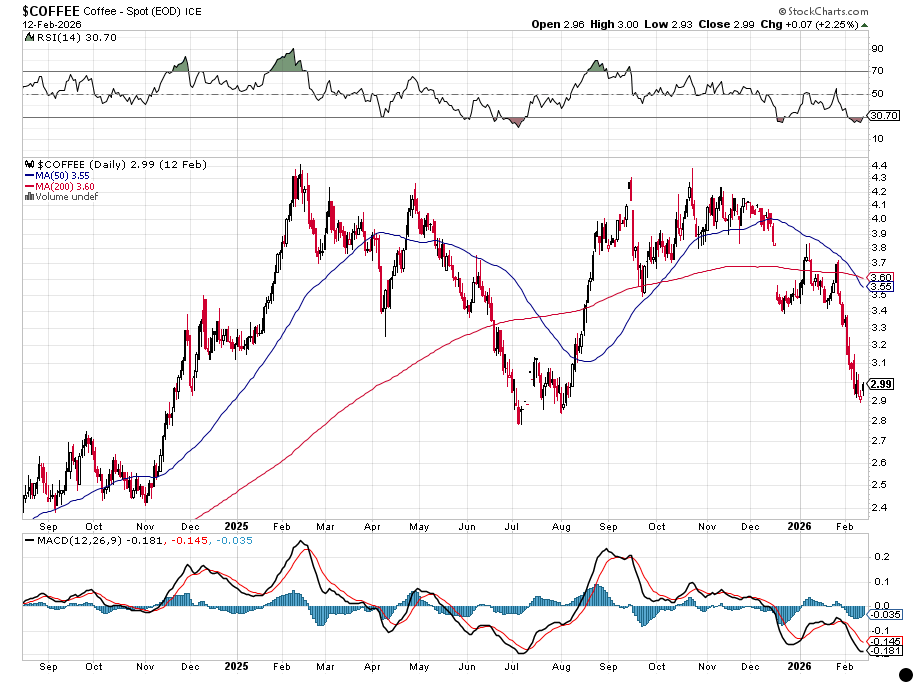
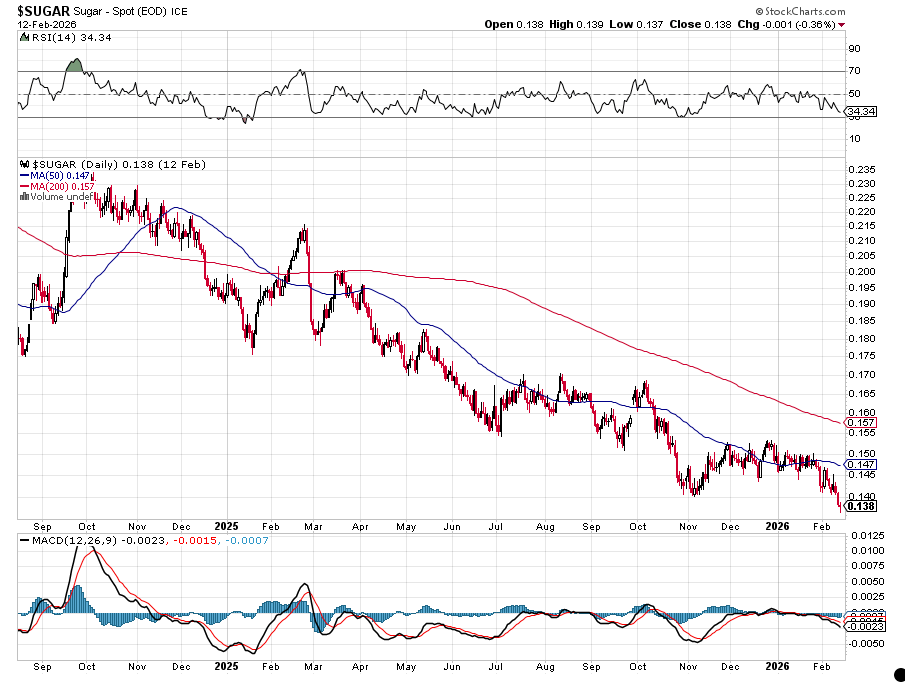
During the earnings call, Dutch management shared that based on historical inventory turns, sustained changes in coffee prices tend to show up two or three quarters later in its income statement. While that means higher coffee prices will remain a headwind in the first half of 2026, if the recent drop is sustained, it could become a tailwind in the second half of 2026, when combined with 2025 and 2026 pricing action taken by Dutch. As we monitor the coffee market, we’ll do the same on dairy and sugar, which are also key inputs for Dutch’s coffee and energy drinks.
Dutch’s Outlook for 2026
As we mentioned above, Dutch looks to accelerate its footprint expansion this year as well as deliver a staged rollout of its expanded food menu. While Dutch will lap year-ago comp sales figures that lifted its shares, there are reasons to think its same shop sales growth guidance of 3%-5% could be a tad conservative. Part of that is the food element, but also some incremental pricing action, around 1%, planned for the coming year.
Implied in its 2026 midpoint revenue and adjusted EBITDA guidance of $2 billion and $360 million is some modest margin erosion. That likely reflects a combination of the accelerated shop openings, 181 this year compared to 154 in 2025, and food expansion. Typically, food carries a lower margin than beverages, but the tradeoff is larger ticket dollars, which should still deliver greater profit dollars per transaction. As we noted above, sustained year-over-year improvement in coffee, dairy, and sugar prices could lead to Dutch’s profit guidance being conservative, especially in the second half of 2026. Given the flow-through timing discussed above, should we see that unfold, it would be a reason for us to revisit our BROS price target.
TheStreet Pro Portfolio is long BROS.