When I Look at the Big Economic Picture, It Doesn't Look Good
The conflict in Iran is just one of several risks that investors seem to be underweighting, as there's just so much that could go wrong right now.
You've reached your free article limit
You've read 0 of 1 free Pro articles.
 U.S.-Iran Escalation: 3 Things to Expect in the Market Now
The Nasdaq fell 3% in February, its worst monthly performance since March 2025, just before "reciprocal" tariffs were announced at the beginning of the following month. Two of the major worries driving the decline last month were growing fears of the potential disruption of AI. This particularly hit the software sector, especially software-as-a-service based business models on the belief that AI capabilities would remove a key moat to the industry.
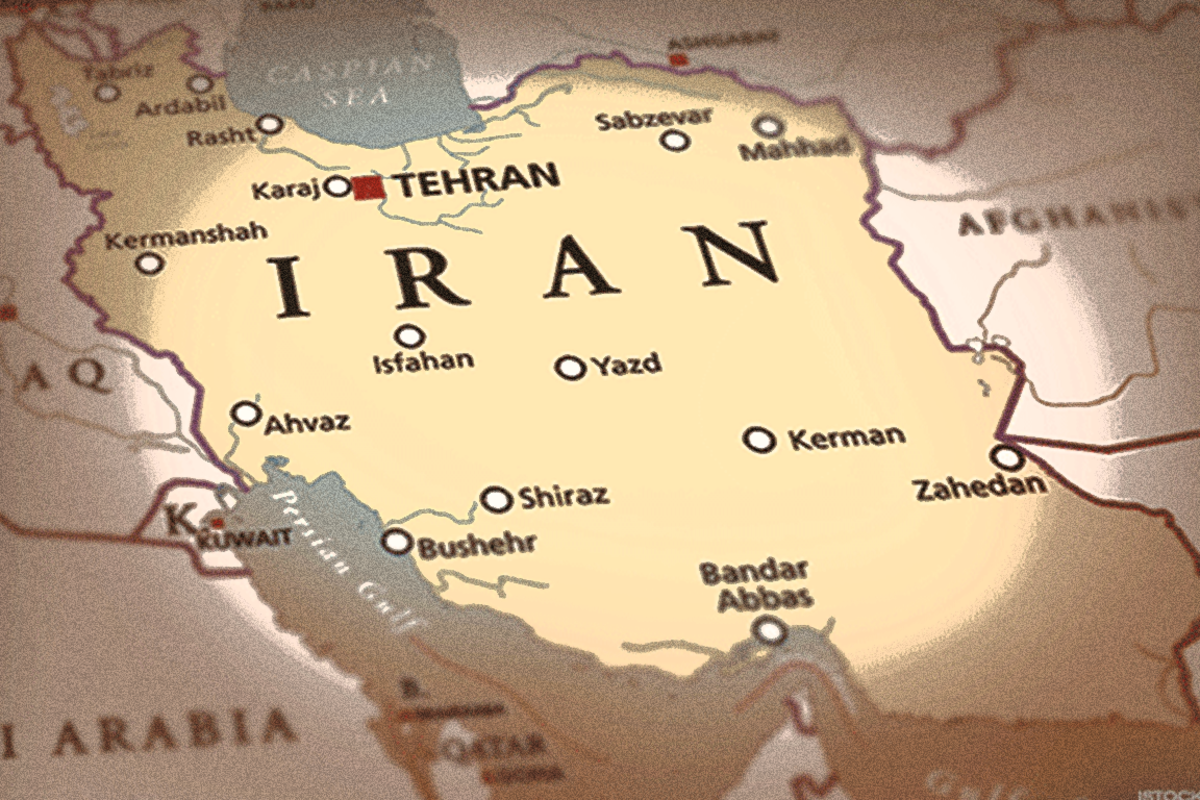
Late in February, news around Blue Owl Capital (OWL) , as well as the collapse of a U.K. mortgage lender heightened worries around the credit markets, particularly private credit. Here in March, investors have an entirely new concern, and one I believe most of are underweighting the risk around: the ongoing and escalating conflict in Iran. We have seen sharp drops early in market action throughout most of this week. But the "buy the dip" crowd has come in each time to narrow losses substantially by the closing bell. This has happened even as crude oil has steadily and viciously moved up in the lead up into and opening salvo of this new middle east conflagration. Crude closed right at $80/barrel on the WTI on Thursday. It started the year in the high $50s.
Even with the Dow heading toward its worst weekly performance since October, it still feels like the market is underweighting the potential impacts of this escalating conflict in the Middle East. I, for one, am unsure of what the administration’s end game is right now. If it is regime change, it is likely to be thwarted. No significant regime change in history has been accomplished by air power alone. And neither Congress nor the American public have any appetite for another Iraq like adventure with boots on the ground, especially given Iran is multiple times larger than Iraq, both in population and land mass. An internal armed uprising that dislodged the current leadership would take years in the making, and likely result in a lengthy civil war and millions of refugees. Much like what happened recently in Syria.
Related: It's All About Jobs, Oil and Bombs
Furthermore, I don’t believe the U.S. military is configured to fight a long, drawn-out engagement. While shooting down $25,000 Shahed drones with multi-million-dollar interceptors might be great for the profits of Raytheon (RTX) , it is not sustainable. The first week of armed conflict has already depleted air defense assets in the region significantly. Drone technology and other advances have made asymmetrical war even more effective. This has allowed smaller nations to fend off much larger ones over a long period of time. Ukraine is the primary example of these developments.
If the spike in oil prices continues for months, it could easily push the globe into a recession. A continued shutdown of energy exports from the Middle East will be particularly painful for Asia, which gets roughly 60% of its energy imports from the region. China takes approximately 80% of Iran’s exports, or some 1.4 million barrels per day. The Middle East is a notable but not dominant supplier to Europe as well.
And while the U.S. is energy independent and much better positioned than most of the rest of the globe, oil is a fungible asset. And oil at $100/barrel with gasoline shooting back to four bucks a gallon or higher, is the last thing the American consumer or economy need right now.
I am hoping I am wrong in this view, and the conflict with Iran ends over the next week or two. But if it goes on longer than that, investors seem to be underweighting the market and economic risks to a more prolonged conflict.
At the time of publication, Jensen had no position in any security mentioned.