This Year, Too, Expect to Find the Housing Market's Door Closed
Why the spring selling season is likely to be a bust and housing will remain a sputtering economic engine.
You've reached your free article limit
You've read 0 of 1 free Pro articles.
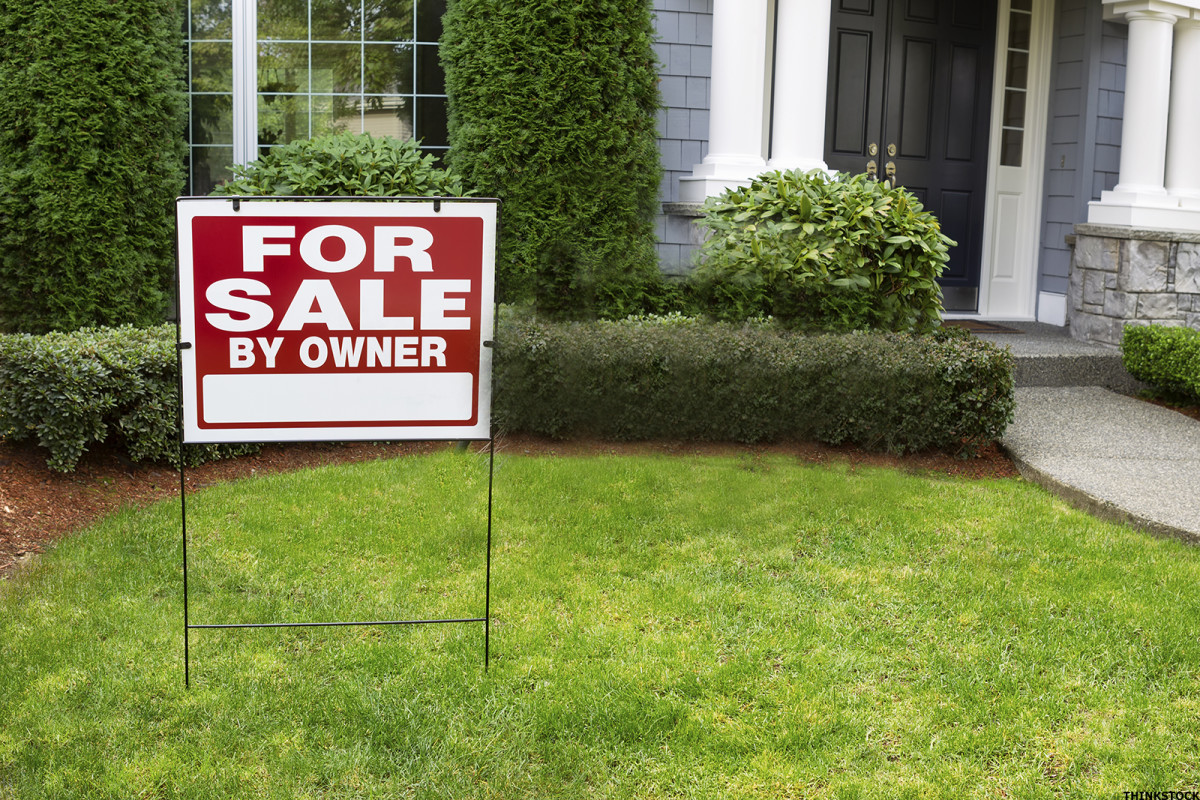 The Best House in This Neighborhood Is on Sale
There has been a ton of ink spilled on TheStreet Pro over three key worries for the overall market, including by yours truly. These developing headwinds to the economy and markets are the growing cracks in the credit space, increasing concerns around the potential of AI disruption on many industries, and the ongoing conflict in the Middle East as well as the associated spike in oil prices.
Related: It's Friday the 13th. Are Investors About to Panic?
Today, I am going to step back from those critical topics, to circle back to the housing sector. I am doing so for several reasons. First, home construction and housing related adjacent industries like furnishings make up roughly a sixth of U.S. gross domestic product activity. Second, the health of the housing market is a key component of consumer sentiment. In addition, we are on the cusp of the all-important spring selling season.
Sales of U.S. existing homes have bottomed at levels not seen since 1995, when the U.S. population was roughly 20% lower, for the last three years. But I've seen some green shoots for housing in recent weeks. The 30-Year average mortgage rates have dropped to their lowest levels since 2022, dipping just under the 6% threshold briefly. February existing home sales rose 1.7% month-over-month, besting expectations. Housing starts for January also came in considerably above the consensus.
It should be noted, however, that the increase in housing starts was entirely due to multi-family. And housing permits in February fell to their lowest levels since August of last year. In addition, February’s bump up in home sales, followed a plunge of over 8% in January, when much of the country was hit by large snowstorms. Even after three years of moribund housing activity and the recent drop in mortgage rates, housing affordability remains historically low. Albeit potential buyers have gained roughly $30,000 in buying power for a median price home over the past year thanks to the decline in rates.
Rents are also falling nationally over the last six months, which lessens a driver to own a house. And the conflict in Iran and surging oil prices are reigniting concerns that inflation will be moving up in coming months. This is pushing yields on the 10- and 30-year Treasuries up. This is a major obstacle for mortgage rates moving lower or even staying flat.
In addition, the jobs markets have been anemic for over a year now and February delivered a negative print of 92,000 positions. Job openings are at five-year lows and headlines around AI disruption are triggering growing fears of job security across myriad industries. Hardly the recipe for robust buyer demand. And if layoffs spread, it will result in more inventory on the market.
Finally, Federal Housing Authority mortgages are likely to become a significant albatross on the housing market in the quarters ahead. As I posted on the Daily Diary on Wednesday:
The FHA delinquency rate was 11.52% in Q4. The Covid programs that made FHA foreclosures nearly impossible for four years have recently ended. A mortgage holder can still get one workout over the next two years but must make trial payments. This compares to basically just being able to call the servicer continuously and just adding the unpaid payments to the overall mortgage balance. There are nearly 8 million FHA mortgages outstanding. These are low money down mortgages given to folks for the most part with much lower-than-average credit scores and higher debt ratios.
They tend to be among the first to go 'underwater' whenever the housing market turns. I expect foreclosure rates to start to rise starting next quarter. I would not be surprised if at least one million of these mortgages end up in foreclosure in the coming years. Potentially higher if the job situation continues to deteriorate. And once a foreclosure sale happens in a neighborhood, it lowers the comps for similar houses in the area.
Therefore, I see another lost year for the housing sector, which will continue to be a headwind to the overall U.S. economy. This is also why I am largely avoiding home builder stocks and any company dependent on housing activity levels.
At the time of publication, Jensen had no position in any security mentioned.