Japanese Stocks Hit Record Highs With 'Takaichi Trade' Back in Play
The odds are on Japan’s prime minister, with her popularity at 78.1%, calling an early, quick election in Japan, which is driving Tokyo equities.
You've reached your free article limit
You've read 0 of 1 free Pro articles.
Japanese stocks crested to record highs on Tuesday, with the “Takaichi trade” firmly back in action.
The oddsmakers are confident that Japanese Prime Minister Sanae Takaichi will call a snap election. She could dissolve parliament as soon as it reconvenes on Jan. 23.
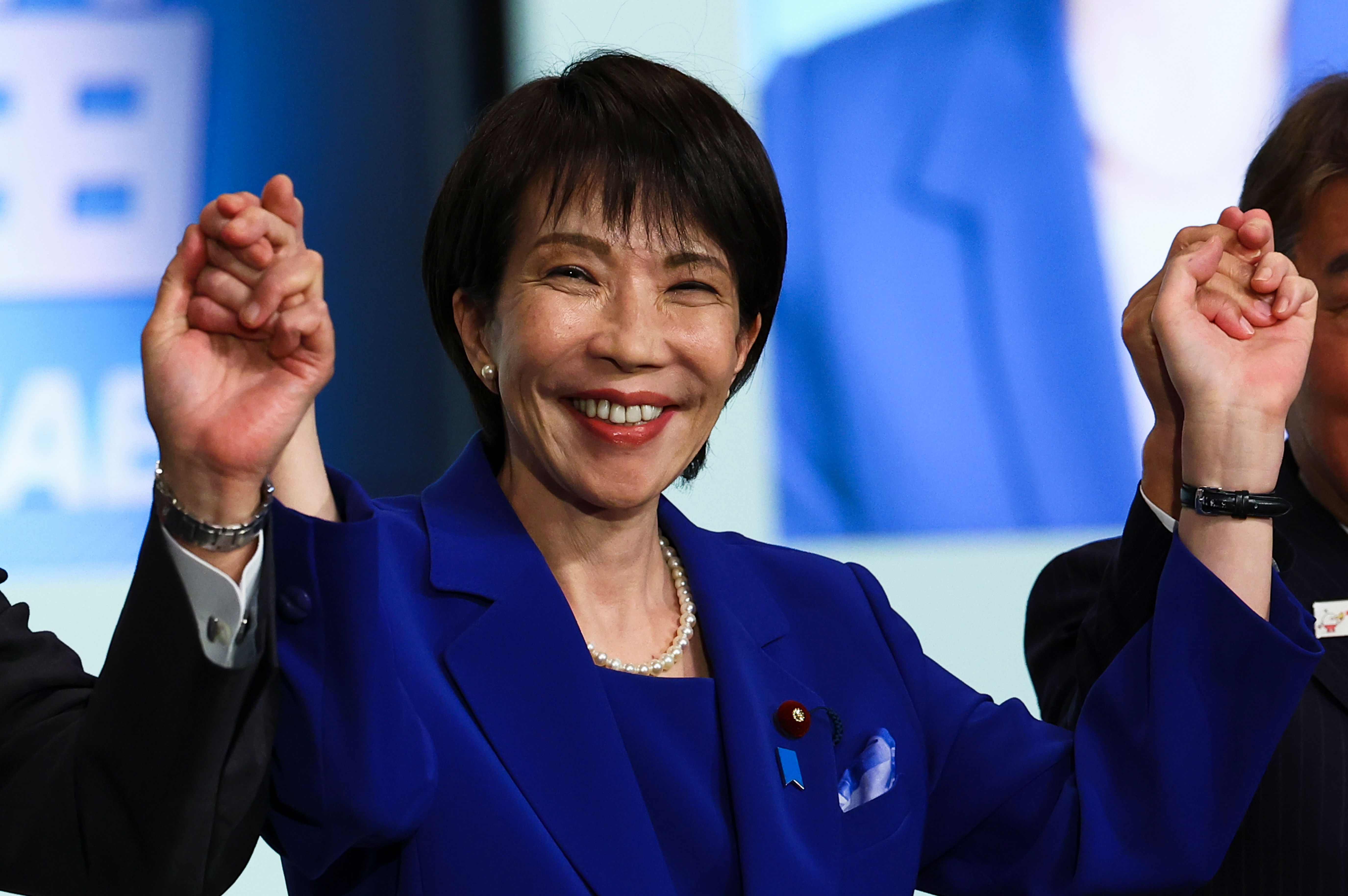
Takaichi is betting that her current high popularity ratings would translate to a big winning margin at the polls. That in turn would strengthen her grip on power at a time when her Liberal Democratic Party (LDP) has lost its majority in both the Upper and Lower Houses of Japan’s parliament, known as the Diet.
Takaichi, a social conservative, favors low interest rates and hefty government spending as ways to stimulate Japan’s economy. Both are positive for Japanese stocks.
Nikkei, Topix Both Set Closing Records
The blue-chip Nikkei 225 soared 3.1% on Tuesday alone, taking it to a record finish at 53,549.16, and giving it a year-to-date gain of 5.0%.
The broad-market Topix, tracking all listings in Tokyo, finished Tuesday up 2.4%, at a record 3,598.89. It is up 4.4% in these early days of 2026.
Japanese markets were closed on Monday for the “Coming of Age” holiday, when young Japanese adults celebrate turning 20, the “age of maturity.” So this is the first chanced for investors to respond to the political swirl this weekend.
Yen Weakening Despite Dollar Woes
The Japanese yen has been depreciating, which buoys the stocks of Japanese exporters, reducing the cost of their goods abroad and improving any dollar-denominated profits when repatriated back home.
The yen now sits at ¥159.08 to the U.S. dollar, and has weakened 12.9% since last April, when it crested to a strong point of ¥140.89. It risks breaching the levels of last July, when it touched ¥161. That’s despite the U.S. dollar losing ground to other major currencies thanks to U.S. President Donald Trump’s dollar-damaging assault on the independence of the U.S. Federal Reserve.
Takaichi has seen her popularity rating climb 2.3 percentage points to 78.1%, according to a survey released on Sunday by the Japan News Network. But the approval rating for her party, the LDP, sits at just 29.7%.
Popularity Gap
Such a vast gap between the approval rating of a leader and their party has only occurred once before, when the charismatic, curly-haired Junichiro Koizumi governed in the early 2000s. It suggests that both Koizumi, a maverick reformer, and Takaichi, Japan’s first female head of state and political heir to the late leader Shinzo Abe, have captured the attention of a wide array of neutral and non-affiliated voters, their allure beyond the normal sphere of party politics.
One of the key points of business for the Lower House will be the passage of the budget. But Takaichi may prefer to bet on her personal charm swaying voters before parliament begins all the ins and outs of negotiating the financial details. Her political opposition criticize the move, not surprisingly, saying it will unnecessarily defer passage of the budget until March.
Japanese law stipulates a rapid election process in Japan, with campaigning running for just 12 days. That’s the shortest election cycle in the world among major economies.
A strong showing at the polls would make it easier for Takaichi to push through policy. She currently relies on a shaky coalition to govern, the LDP only able to remain in power with a minority in both houses because the opposition is in even greater disarray.
Snappy Election Process
If she dissolves the Lower House, known as the House of Representatives, soon after it reconvenes, that would mandate an election in February. Takaichi says she will make a final decision on the timing after Tuesday’s summit with South Korean President Lee Jae-myung in her hometown, Nara, and the talks scheduled for this Friday, Jan. 16, in Tokyo with Italian Prime Minister Giorgia Meloni.
The internal-affairs ministry on Saturday sent a memo to the election-administration commissions in each of Japan’s prefectures, according to the Asahi Shimbun. The memo outlines two dates for a Lower House election: Feb. 8, with the campaign starting on Jan. 27, or Feb. 15, with the election process starting on Feb. 3.
It’s been a strong start to Asian equities in general in 2026, off to a record debut to the year, as I noted last week.