Fed Chair Jerome Powell Reveals Intent to Stay While Detailing Rate Cut Decision
The Federal Reserve is set up for contention with Jerome Powell and Stephen Miran at opposing interest rate outlooks.
You've reached your free article limit
You've read 0 of 1 free Pro articles.
 12-10-25-us-economy-federal-reserve-powell-swearing-in
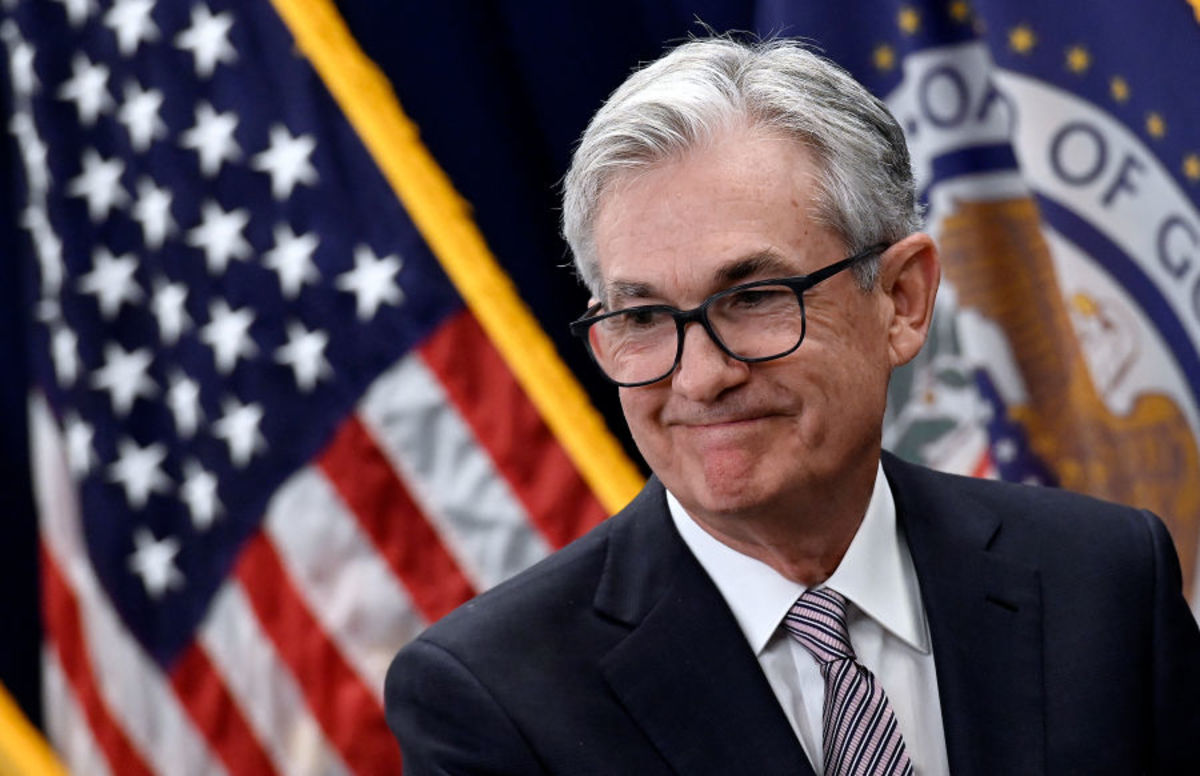
Jerome Powell plans on staying.
Stephen Miran voted to cut interest rates, despite higher oil prices and other factors — all things I think the Federal Reserve should “look through” over time but that would hold me back from cutting rates today.
By all accounts, Fed Chair Jerome Powell doesn’t “need” to work, so presumably this is about him trying to fight for his view of what the “integrity of the organization” should be (my words but sounds about right).
I think this sets us up for a more contentious Fed than I was expecting.
The dot plots and summary of economic projections, I will ignore, since the “data” and “inputs” are evolving rapidly with the conflict in the Middle East, which was escalating as Powell spoke on Wednesday, making it more difficult than usual to figure out if the market was reacting to Powell or natural gas spiking in price.
Iran
We focused on the Middle East on Wednesday morning on Bloomberg TV as headlines broke about attacks on Iran’s South Pars Gas Field (the 1-hour-42-minute mark).
The attacks on the Iranian oil field has little immediate impact, but it signals that bigger risks than the market is currently pricing in and which may lie ahead. Do the Houthis become active? Does Iran retaliate? Is this just the beginning? From a “maximum leverage” perspective, reducing Iran’s ability to sell oil would be important, but that carries the risk of “higher for longer” for oil prices. Are we prepared for that?
Increasingly, conversations are moving from covering “just” oil to the derivatives and downstream products. Concern is growing. A Japanese chemical plan declared “force majeure” recently (there is that word again).
Looking at WTI and Brent crude futures may give an overly optimistic take on the impacts already being felt:
- The U.S. is releasing the Strategic Petroleum Reserve (SPR). That is containing prices while the releases are occurring. If this drags, that “cap” on oil prices will dissipate.
- Asia seems to be buying oil for as much as $150 per barrel. Any supply problem (and inflation pressures) that hit U.S. companies are likely to originate there.
The Jones Act suspension helps in its own right, and is a “necessary” step, if the U.S. is considering an energy export ban (something that has allegedly been discussed).
The Jones Act prohibits shipping from one U.S. port to another, unless it is on an American made and flagged vessel. Such vessels are few and far between. This will help with not only energy products but any products impacted by the Jones Act.
While the U.S. is energy independent (exporting more than it imports), there are a lot of exports and imports. We could not “easily” effect an export ban, with the Jones Act in place, as there is a shortage of pipelines, rail, ships, etc. The Jones Act suspension opens up this possibility.
This suspension is “good” for keeping U.S. energy prices lower than the rest of the world's, but does little to lessen the risk of inflation/supply chain issues from foreign manufacturing.
Related: Hyundai Is Asia's Stock Star This Year After Nvidia Announcement