3 Potential Outcomes in Iran and What They Mean for Financial Markets
There seem to be three ways the U.S.-Iran conflict can proceed from here and bond yields stand to benefit.
You've reached your free article limit
You've read 0 of 1 free Pro articles.
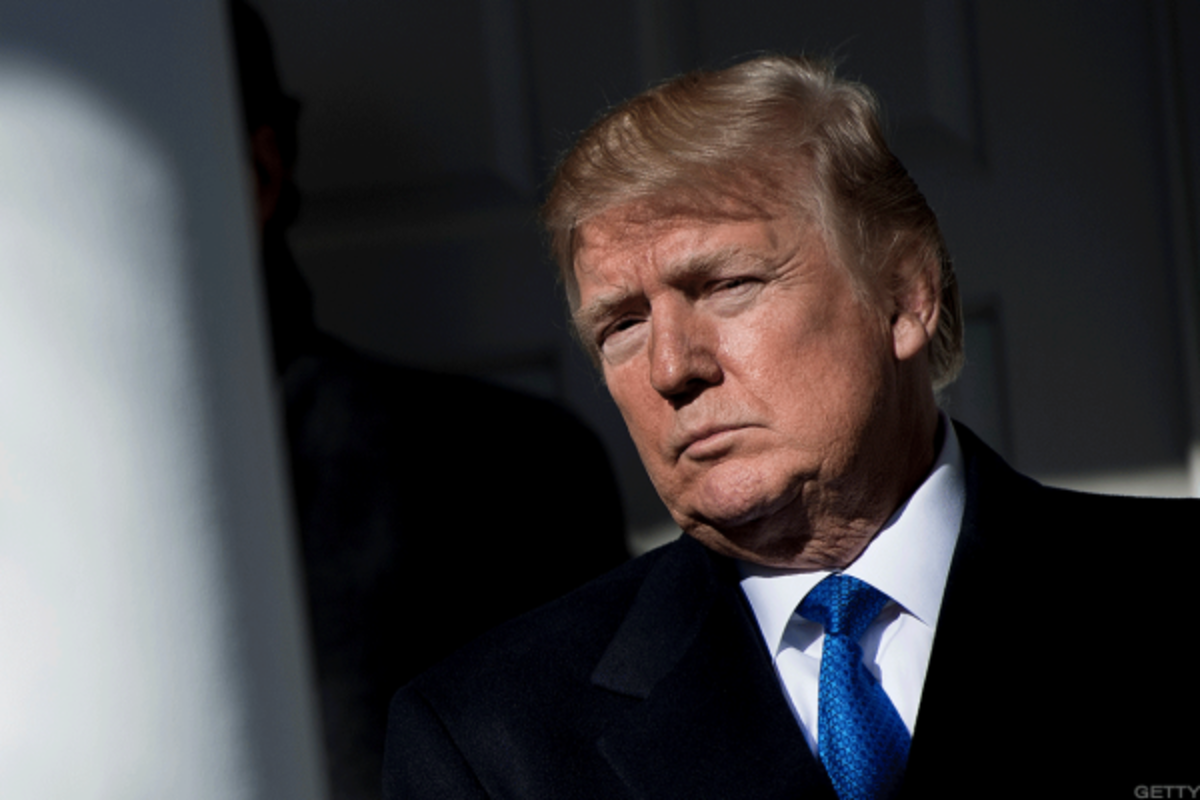 Trump
Trump
The exact nature of the conflict between the U.S. and Iran and the resolution remain to be seen. In reality, there are any number of outcomes, but for our purposes, there are three main themes. We try and distinguish between them below, suggesting how you can identify which is most likely and what that means for markets.
1. Some Sort of 'Victory' in Near Term
Let’s define “near term” as within a week. That is probably a bit aggressive, but it is the right sort of timeframe for this to work.
Why a week?
Troops are just getting into position (the marines from Japan have arrived and should be combat ready and airborne troops are on the way, as are more marines and ships). We will now be able to legitimately threaten the use of ground forces. This adds extra leverage to the negotiations that the U.S. didn’t have before.
It gives more time to continue to strike at sites that can be used to attack ships in the Strait of Hormuz. While we probably need a bit more time to clear the area and prove to commercial ships that it is safe to transit the strait, we should see that this is potentially working, which should also force Iran to the table.
With energy and industrial infrastructure being hit in Iran and the Gulf countries, the urgency of a “deal” becomes more important.
The Houthis have launched some attacks, which threatens transit from the red sea.
So, there is a sense of urgency, at least for the global economy, and we have the ability to threaten the Iranians more.
President Trumps' administration has started framing “regime change” along the lines of "well, we’ve killed so many of their leaders, we effectively have regime change." That's not really regime change, but it is “sellable.”
From a military standpoint, Iran’s nuclear facilities and missile building sites are reported to have been hard hit. That also fits the “we won” story. Finally, the administration is saying “we don’t know the Strait” (we are energy independent).
All of these updates provide an opportunity to declare victory and move on (though I'm not sure the rest of the world would see it as that, probably not Israel, nor the Gulf states, but I don’t think the administration cares).
I think this is 40% likely, so I don’t want to be too bearish.
Depending on where sanctions end up on Iran, and if there is any U.S. corporate presence in Iran as part of the deal, it could be good for oil, but I suspect we wind up with oil prices higher than they were at the start of the war.
2. 'True' Victory
In this scenario, Iran changes dramatically. Even if the existing infrastructure of the regime remains in place, it concedes so much in negotiations that it is forced to become a “normal” player in the region, rather than a potential enemy. There would likely be U.S. corporations given access to Iran, which would be part of a “longer term regime change” narrative.
The president would be correct that oil prices (and those of many oil-based products) would be much lower in the future. The world would be a better place.
Here is the rub: If the U.S. and Israel prosecute the attacks for long enough, this outcome is almost certain to occur. There are always risks, especially with the asymmetric nature of this war (defending against cheap, relatively easy-to-produce weapons, with expensive, difficult-to-replenish weapons).
It is relatively easy to find and destroy missile launchers. The stationary ones have likely been taken out, and every time a mobile launcher launches a missile, we have a chance of identifying it and taking it out. It isn’t successful every time, but over time, we have had great success on this.
Hand held rocket launchers or drone launches are more difficult to stop, assuming that the person firing the weapon is hidden, say, in a cave. They come out to launch, run back to the cave, and likely move via tunnel to a completely different location. This is difficult.
Talk about Kharg Island or other means to put troops on the ground creates great risk.
The Iranian economy is struggling, so there is pressure on them as well, but we do not know how much wealth they have stockpiled, what they have access to, etc.
This really comes down to a test of wills: How long Iran can hold out militarily and economically (it is crucial for the leadership to stop ships from attempting to transit the Strait), versus pressure on the global economy.
Asia is feeling the pain already. Europe will be soon as well. And yes, even at home, we are already dealing with the “affordability” issues from higher energy prices, but will also likely knock on effects via supply chain disruptions.
I see a 25% chance of this outcome happening, but I think it takes at least two-to-four more weeks.
3. Kind of a Stalemate
If this goes on longer and we don’t get a good deal (or true victory), it is likely that much of the world will be facing high recession risks. The U.S. will be tired of higher prices and supply chain disruptions. Increasingly, food and the cost of food will be highlighted (diesel and fertilizer). We could possibly see some issues crop up in the semiconductor business (LNG to Taiwan, helium globally, etc.).
This is not good and there is a 35% chance of this outcome.
The president offered comments on Sunday night that managed to turn futures around – from down small to up small, but nothing like the reversal we saw last Monday, when the president first discussed a deal.
He is saying a lot of the “right” things for option one to occur, but this is not like pulling back from Liberation Day which was a unilateral event. He does need Iran to give up some things, or we will not “reset” to normal.
Trading This
I like bond yields here. The inflation fear and military spending fears are overdone. Either this gets resolved quickly, which helps bond yields, or it drags on, which will actually make people think more about recession, also helping bond yields. I think Friday morning was the last gasp in the bond market sell-off (apparently a lot of hedge funds, especially in Europe, got stopped out on "steepeners" and long duration positions).
On stocks, I will reduce risk on rallies (especially headlines with little substance), while buying dips. So far, this approach, which we discussed at the start of the war, has been effective.
I will become aggressive on risk taking at the first “real” signs that the strait is on a path to seeing transit return to normal levels! That is likely to begin with a period of days where it is patrolled by the U.S. navy, giving cargo ships time to see how “safe” it is. Then the cargo ships can start transiting normally. That is the end of Iran’s leverage and is really risk on.
I wish this was more straightforward, but war is never simple or easy. Well, I’ve been told it is easy to start and difficult to end (see Russia and Ukraine). Let’s hope that is not the case here.
Related: Asia Preps for Worst-Case Energy-Disruption Scenarios