The Art of Finding a 'Keeper': Guitars, Stocks, and Long-Term Value
There are many parallels between collecting guitars and selecting stocks. Here's how to identify the 'it' factor in both.
You've reached your free article limit
You've read 0 of 1 free Pro articles.
There's a big difference between being an investor and being a lover, fan, or collector.
As you may know, I’m an avid guitar player and have a collection of electric guitars. One thing I’ve discovered is that when you collect something — whether it’s Porsches, guitars, or stocks — there’s a distinction between loving something and finding a "keeper" versus having a short-term love affair that lasts six months or six years, only to eventually sell that asset in exchange for another opportunity that might become the true keeper.
What Makes a 'Keeper'?
The keeper is the investment that has all the characteristics of not just being a great long-term asset but also something you truly love. In the world of guitars, I have a core set that belong in my keeper category.
These guitars have a unique combination of scarcity, playability, tone, beauty, and feel — qualities that make me want to keep them forever. I have no intention of selling them.
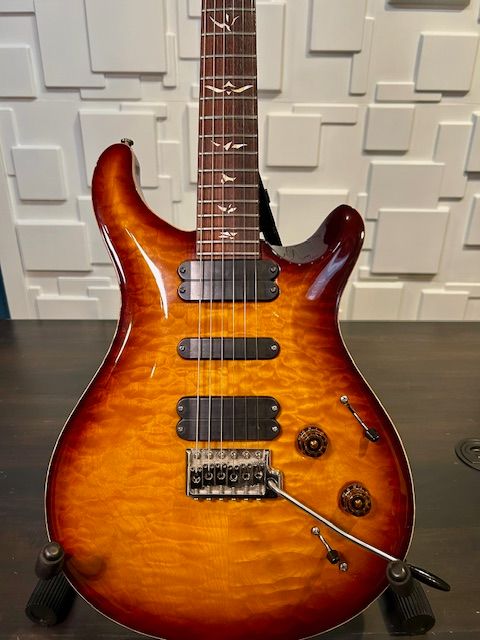
Identifying Guitars That Have 'It'
In the electric guitar world, I can think of a few guitars that fit this category, each with a specific purpose. Take the Stratocaster, for example. While they are abundant — almost "a dime a dozen" — not all of them are special.
I often joke that most Stratocasters are expendable, even the higher-end Custom Shop models. The reason is that, despite being made with the same materials and specs, some guitars simply have an unexplainable magic. You could line up ten Custom Shop Strats, and only one or two will stand out as truly exceptional.
The Magic of Unique Instruments
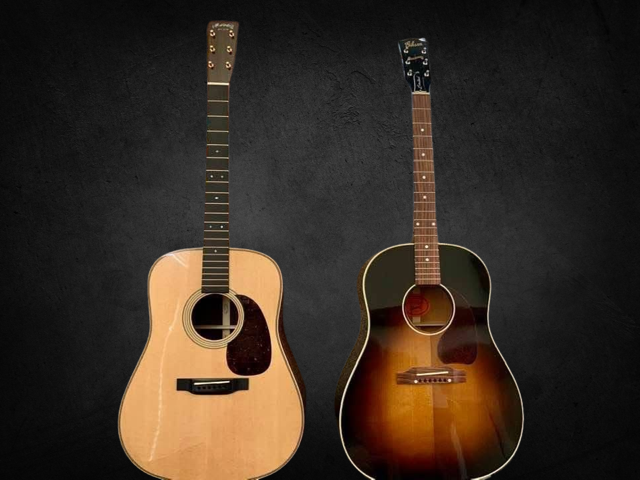
What causes this? Part of it comes down to subtle differences in the density and beauty of the wood, the way the instrument resonates, or even minute variations in craftsmanship. This effect is even more pronounced in acoustic guitars. I own a Martin that has an indescribable quality, even when compared to the exact same model from the same year. There’s just something different about a keeper guitar that sets it apart.
Here is a side by side picture of two high-end guitars that cost about the same price, but one sounds and plays infinitely better than the other. Needless to say, I sold the guitar the played good, but not incredible.
A Guitar’s Influence on Playing Style
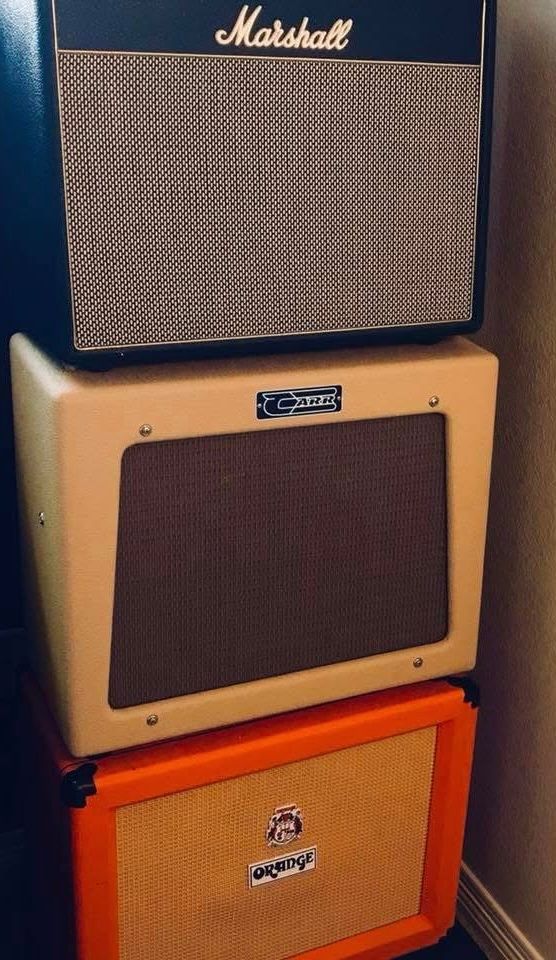
Another fascinating thing about keepers is how they fit into a collection. Each one has a distinct sound that evokes a specific emotion. The feel of a guitar — whether it has a maple or rosewood neck, the height of the frets, the scale length, the pickup configuration, or the bridge setup — directly influences your playing style. And when you pair it with different amplifiers, the magic really comes out.
Some guitars shine with EL34-based tube amps, while others work better with 6L6s. Speaker types — 10-inch versus 12-inch, Alnico versus ceramic — also affect the sound. A keeper guitar retains its magic across multiple setups.
The Skeptic's Perspective
Some people, particularly non-guitarists, don't understand this. A drummer friend of mine used to joke, “They all sound the same — it’s just wood and electronics.” But as any guitarist knows, this couldn’t be further from the truth.
There’s an unmistakable difference between a hollow-body Gibson ES-335 and a solid-body Telecaster. Some guitars lack personality, while others — often those with minor imperfections — develop a unique voice that shapes your playing.
Imperfections Create Character
For example, vintage Gibson Les Paul’s often have slight intonation issues on the G string, and certain Stratocasters might not have perfect fret alignment. Yet, these imperfections contribute to their distinct sound and character. On the flip side, some guitars are built with hyper-precision, like PRS models, which are arguably some of the best-made instruments in the world. However, many PRS guitars lack a distinct sonic identity. They sound great, but you don’t hear a PRS and instantly think, “That’s a PRS!” Contrast that with a Stratocaster — you immediately recognize the tones of Stevie Ray Vaughan, John Mayer, Eric Johnson, David Gilmour, or The Edge. The same applies to Telecasters in country and rock or a Gibson Les Paul roaring through a Marshall stack.
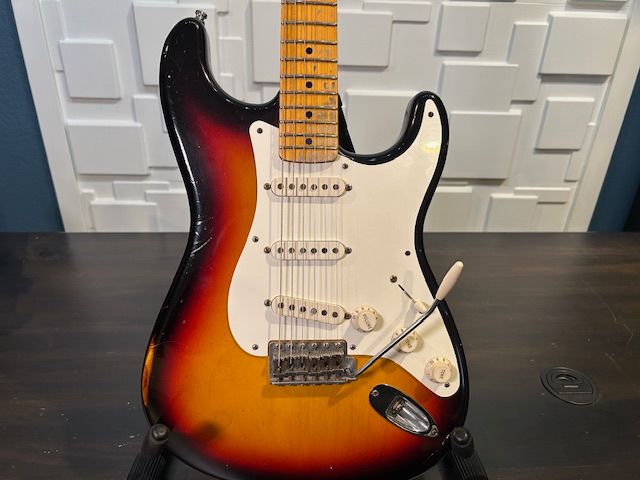
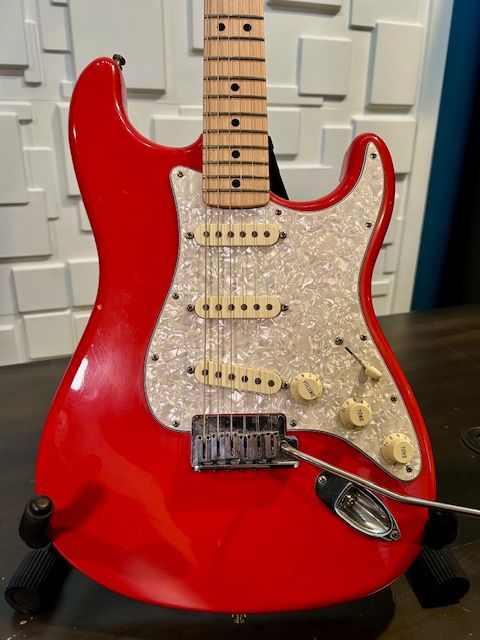
Not all Stratocasters are even remotely the same. Here are two with distinct differences. The first one is a classic 1950's with an old-school sound and many flaws that give it character that is undeniably a Strat when recorded. The second red Strat is a modern high-powered precisely made guitar suitable for shredding.
Hidden Gems in Unexpected Places
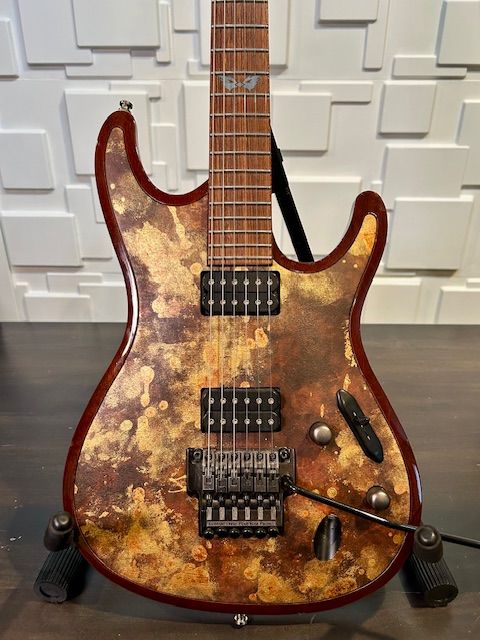
Finding a keeper doesn’t always mean chasing the highest-end models. Sometimes, you stumble upon a hidden gem — a guitar with unexpected chemistry. I once found an Ibanez made by their top-tier Japanese luthiers. Typically, Ibanez guitars aren’t my style, but this one had everything: craftsmanship, resonance, and tone. I’ve also seen budget guitars outperform their high-end counterparts. A friend of mine owns a lower-end American Strat that, for whatever reason, outshines most Custom Shop Strats I’ve played.
The Thrill of Discovering a Keeper
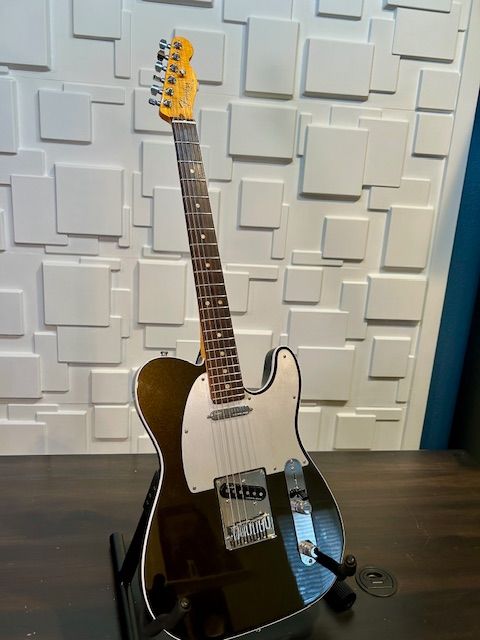
I recently visited a guitar shop in Texas, recommended by a local musician friend. He told me, “Sometimes, you find incredible used instruments here.” Sure enough, I came across a Telecaster that had that magic — and it cost less than half of similar Custom Shop models.
When you find a keeper, you just know. Sometimes, you need to spend time with a guitar to realize it’s not actually a keeper, and true collectors are willing to let go of good-but-not-great instruments in pursuit of the next keeper.
Investing and Finding 'Keeper' Stocks
As an investor, I see many parallels between collecting guitars and selecting stocks. Some companies have that special "keeper" quality — an unshakable competitive advantage, a niche that can't be replicated. These are the businesses you hold onto for the long haul. I discussed this idea in my recent article about key investment insights that many advisors overlook. You can read it here.
Experience Reveals True Value
Just like with guitars, identifying these companies requires both research and experience. Sometimes, you think a stock is a keeper, but over time, you realize it isn’t. Other times, the longer you hold it, the more you recognize its enduring value.
Investors should strive to find these keepers, hold onto them, and resist the urge to sell just because they’ve temporarily outperformed. Yes, you might trim a little, but true keepers deserve a permanent place in your portfolio.
I'd love to hear about some of your gems and hear your comments or feedback. Here's to finding more "keepers"!