Question of the Week: What is a Stock?
You know you're supposed to invest in stocks and bonds, but what even is a stock anyway?
You've reached your free article limit
You've read 0 of 1 free Pro articles.
To be perfectly honest, everything you need to know about investing is contained in the first 10 articles that Kate wrote for Filthy Rich Animal. They can all be found right here, on the Filthy Rich Animal home page.
If you’re like me, you opened every one of those articles when we sent them. But, if you’re like me when I’m reading other newsletters, then you might have only skimmed them, looking at bold words and pictures and such.
If that’s you, you’re going to love this next question. Not because it’ll be easy. But because now you have a chance to learn the material you skipped!
Let’s get right to it.
Both Kate and I have talked about the kinds of investments that you should hold in your portfolio. It usually boils down to things that are called stocks and bonds. These should form the core of your portfolio. But what are they?
This week, I’d like to focus on stocks.
What is a stock in the context of investing?
- Stock is most often a cow. That’s why they call a herd of cattle livestock.
- Stock is the stuff you find in a grocery store. You know the store is stocked when it is full of merchandise to buy.
- Stock represents ownership of a company.
- Stock is when you consider life choices to take stock of what you’ve done.
Answer:
Yeah, I know. The answer is the one that wasn’t a bad dad joke. It’s the third one.
Stock represents ownership in a company.
You might also call it equity, because the value of a stock is based, in part on what’s left over after the company pays off its debts. It’s a Balance Sheet term. We won’t go into that now, but just remember that equity is the asset class that stock belongs to.
OK. So, we know what a stock is. But why would anybody want to own stocks.
I’ll start off by saying that you shouldn’t own shares of stock in a single company. That can be risky because you’re placing your bets on that single company. Instead, you should diversify, and own a bunch of different stocks, giving you ownership in a bunch of different companies. Then, you've got a portfolio of stocks.
But, for the stocks that you do own, why did you buy them? What’s the goal?
The goal is to make money. You buy a stock because you’re optimistic about the company’s prospects and think that the stock will rise in value. Simple.
There’s more to it than that.
For one thing, being an owner often entitles you to voting rights. That means you get a say in who’s running the company and even get to vote for big events, like if the company is considering merging with another company.
For example, do you use Slack at work or with your friends? It used to be an independent company, but in 2021, 55% of shareholders voted to sell the company to Salesforce CRM. Those same shareholders would now own Salesforce stock.
The good news is that voting is more fun in the stock market than voting is in politics. That’s because there are two kinds of voting in investing.
If you think the company is on the right track you can vote in favor of management. If you think the company is on the wrong track, you can place your vote against management.
If you think management is really on the wrong track, you also have the option to sell your shares, and maybe make the stock go down! That’s not the normal way we think of voting, but it’s very reasonable to do as in investor.
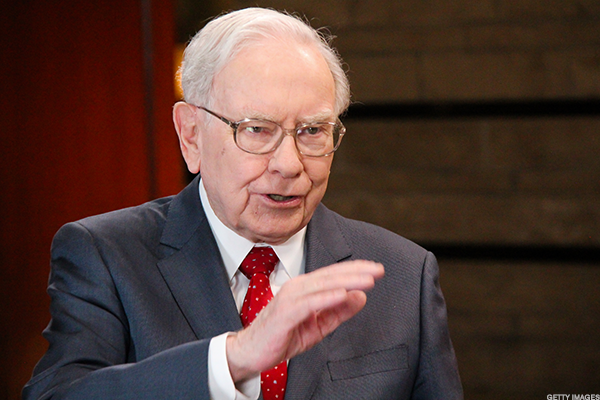
Another thing about owning a stock is that once you’ve selected a great company to own, you will benefit if the company is able to grow and sell a lot of its products. Often, when the company grows, its stock price will go up. If the company has trouble selling its products, then the stock price will fall.
It’s not magic, by the way. The stock price doesn’t magically go up when earnings improve. Stock prices go up when investors are excited about the company’s future and buy more shares. So, as long as the company is doing well, it will attract new investors who will buy shares from people who are willing to sell.
Sometimes, investors get it wrong.
A stock won’t always go up (or down!) just because the company is doing well (or poorly). Investors often look far into the future and estimate what might happen next year. If the company is expected to grow, then they might continue buying shares. But if the company appears to be slowing, or the shares are too expensive to support the current level of growth, then the investors might start selling.
Again, since investors are looking far into the future, they don’t always get it right. But there are two principles that they pay attention to.
Investors like to buy good companies that have the potential to grow and sell more of their products.
Investors don’t like to overpay for shares in the company.
I like to say that not every good company is a good investment and you have to analyze the value of the company separately from the valuation of the stock.
As Warren Buffett says, "price is what you pay, but value is what you get."
We’ll dig into that concept in a future question of the week.