Once World's Largest Developer, Evergrande Liquidation Marks New Low
The Chinese development giant has been kicked off the Hong Kong Stock Exchange, the latest low in a historic collapse.
You've reached your free article limit
You've read 0 of 1 free Pro articles.
It’s the end of an era in Hong Kong. And how the mighty have fallen.
The world’s largest developer by market capitalization in its prime, China Evergrande Group was delisted from the Hong Kong Stock Exchange as of the start of trade on Monday.
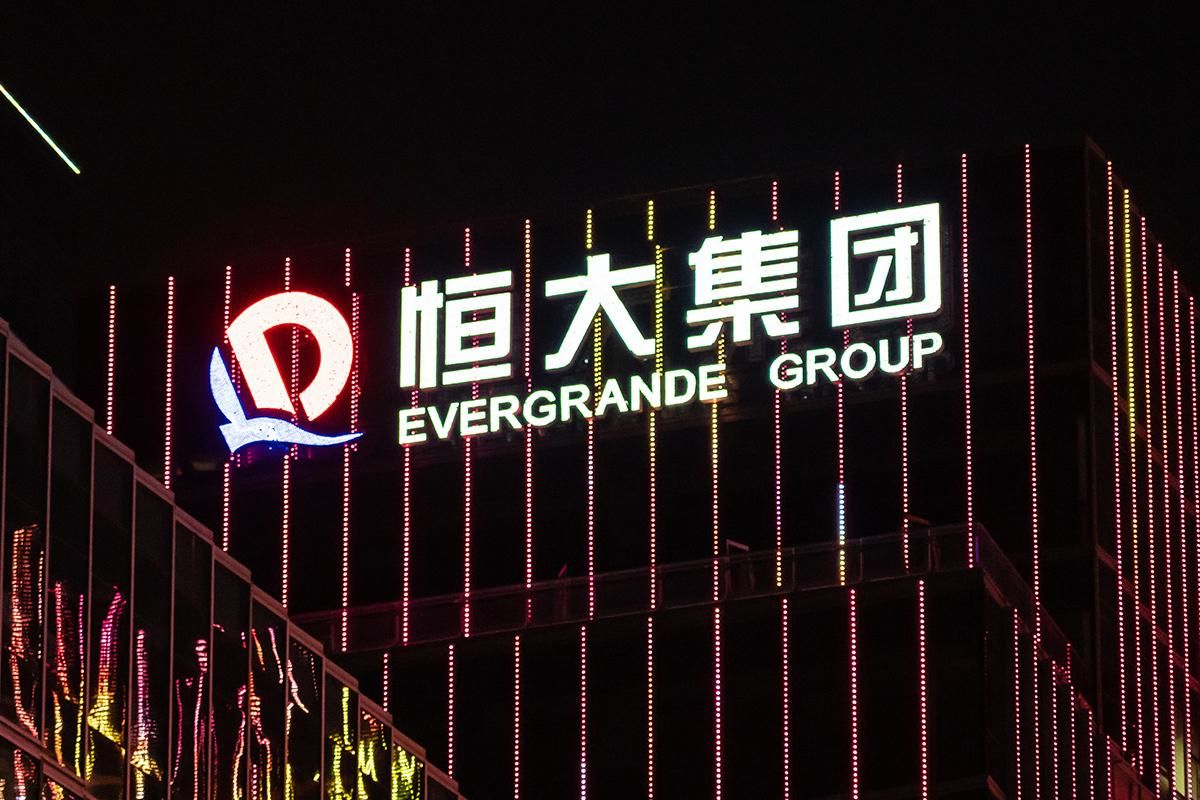
The company, now in liquidation, failed to fulfill the necessary requirements to remove the suspension of its stock by the end of July. That prompted the exchange’s listing committee to cancel trading in its remaining shares.
Evergrande is symbolic of what’s gone wrong in China’s property market, the world’s largest. Its problems are mimicked by developers both large and small throughout the sector.
Stalling 1,300 Projects Across China
The company was founded in Guangzhou, the Guangdong Province megacity across the border from Hong Kong, by the former steel technician Hui Ka-yan. Hui, who had turned his hand to property sales, borrowed heavily and leaned on local political connections to expand his company rapidly.
Evergrande listed in Hong Kong in 2009, and used that capital to expand virtually across China, building massive multistory, multi-tower residential projects. At the time of its collapse, the company was working on 1,300 projects in 280 cities.
China’s local governments raised much of their budget from land sales and construction permits. So they worked hand in hand with property developers during boom times, and Hui’s success saw him appointed to important political bodies such as the national-level Chinese People’s Political Consultative Conference (CPPCC) advisory body.
Hui parlayed his business prowess into a fortune that saw him crowned as Asia’s richest resident. He expanded somewhat at whim into soccer, with the football team Guangzhou FC, a bottled-water company, and an embattled electric-vehicle operation. Previously called Guangzhou Evergrande, the soccer club won China’s top league eight times, even recruiting the World Cup-winning coaches Marcello Lippi and Luiz Felipe Scolari as managers over the years. But the team was kicked out of the league for the 2025 season for failing to pay its debts.
Sales Reports Cease in 2021
The company’s English-language website is a microcosm of what went wrong. The company stopped publishing its monthly contract sales in September 2021. That’s a year after the Beijing government, in August 2020, issued its policy of the “three red lines,” levels of leverage and liquidity that all property developers must meet.
Evergrande, with $300 billion in loan obligations that made it the world’s most-heavily indebted developer, instantly fell afoul of the new rules. Worried homebuyers stopped signing on the dotted line to put down deposits on new apartments that were at high risk of remaining incomplete or unbuilt. And the company’s model of spinning out cash from the quick sale of the current development to fund the land purchase and setup costs of the next project ran aground.
Its collapse tested the resolve of the Chinese Communist Party, which has come to the aid of troubled companies in the past, particularly if they are state-owned. But while Evergrande maintained good government relations at the provincial level, the Beijing national administration was willing to let it collapse in on itself.
'Homes Are for Living in'
China’s president, Xi Jinping, warned against capitalist excess in the property sector as far back as 2016. That’s when he coined the phrase that “homes are for living in, not for speculation,” a mantra often repeated at national planning conferences. The Beijing leadership has been happy to see the air taken out of China’s property bubble, even if it has meant great hardship for homeowners and depositors waiting on projects that may never get built.
Evergrande is the country's biggest real-estate business failure, but it's far from alone. Developers accounting for some 40% of Chinese home sales have defaulted on their debts, although better-capitalized home builders have had some success selling off projects for quick cash, and negotiating deals with their creditors that keep the company afloat.
Home prices remain in a tailspin. China’s property market contributed 19% of China’s entire economy as of 2024, making it the most-important private-sector industry. However, that proportion has fallen from 24% of China’s gross domestic product in 2018, before the downturn began.
Shares Suspended for Pennies on the Dollar
Evergrande’s shares were last suspended in January 2024, by which stage they had already lost virtually all their value, trading at 16.3 Hong Kong cents at last count. At their 2017 highs, the shares changed hands north of HK$32, giving it a market cap of more than $50 billion.
After delisting, the shares retain what little value they maintain. But the company is no longer subject to stock-exchange rules, and any outstanding shares become part of the liquidation.
Evergrande’s liquidators, Alvarez & Marsal, helped unwind Lehman Brothers. They will hold their next hearing on September 16, and have already taken control of more than 100 Evergrande companies and assets worth some $3.5 billion.
Liquidation Long and Complex
But the process of unwinding Evergrande, which typically formed multiple separate companies for each project, will be long and complex, sure to leave little on the table. Adding to the complexity is whether Hong Kong court rulings can be applied on assets in mainland China, which has a separate legal system.
Separate litigation also goes after Hui himself as well as his former wife, Ding Yu-mei, whom he divorced as Evergrande collapsed. Hui, Ding and former Evergrande CEO Xia Haijun have resisted efforts to force them to disclose their assets.
Hui was placed under house arrest in 2023, then fined $6.5 million and banned from China’s financial markets for life for “organizing fraud.” At the same time the company’s main onshore operation, Hengda Real Estate, was fined $580 million, for fraudulent bond issuance and for exaggerating sales.
Ding has fled China for London, and continues to hold a property portfolio worth $350 million in public records, though creditors are chasing to find out if Hui has transferred other assets to her. The liquidators say an “astonishing” collection of art was found in the Guangzhou apartment where Ding’s mother lives.