It's Time to Ditch Those Lazy Longs
Has your portfolio become like an index fund, but with inefficiencies? Now's the time to streamline your 'meaningless' positions.
You've reached your free article limit
You've read 0 of 1 free Pro articles.
The market has been too forgiving – those days are over.
During a raging bull market, investors can get swept up, buying more stocks as they grow increasingly bullish. They find more ideas to invest in, and over time, their portfolio expands uncontrollably.
When the market inevitably breaks, a few things happen. First, with so many positions, you can’t truly follow them — you lose track of how attractive each investment is. Second, it becomes much harder to exit positions that no longer make sense. Lastly, you become more like an index fund but with inefficiencies. This is never good.
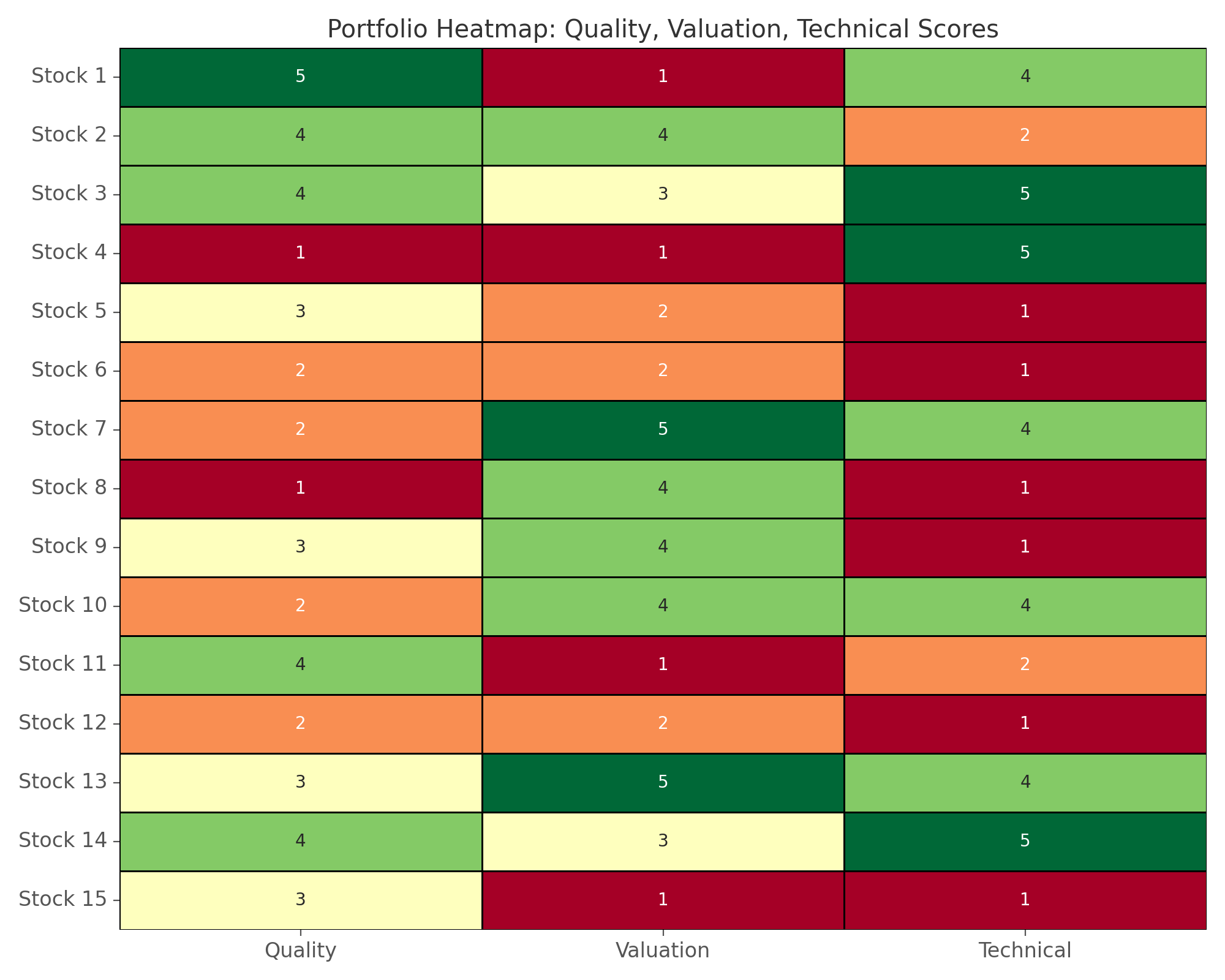
Look at These 3 Things to Take the Drag Off Your Portfolio
I am seeing a lot more portfolios these days that are riddled with lazy longs. Here are some of my rules to fix this problem. Invariably it increased results over time.
I start by evaluating each holding based on quality, focusing on how well you can understand its cash flow. Next, assess the price levels to gauge how attractive stocks are relative to their value metrics. Finally, examine the technical condition — supply and demand for the shares.
You can rate these factors on a scale from 1 to 5 to identify which stocks need to be eliminated or trimmed.
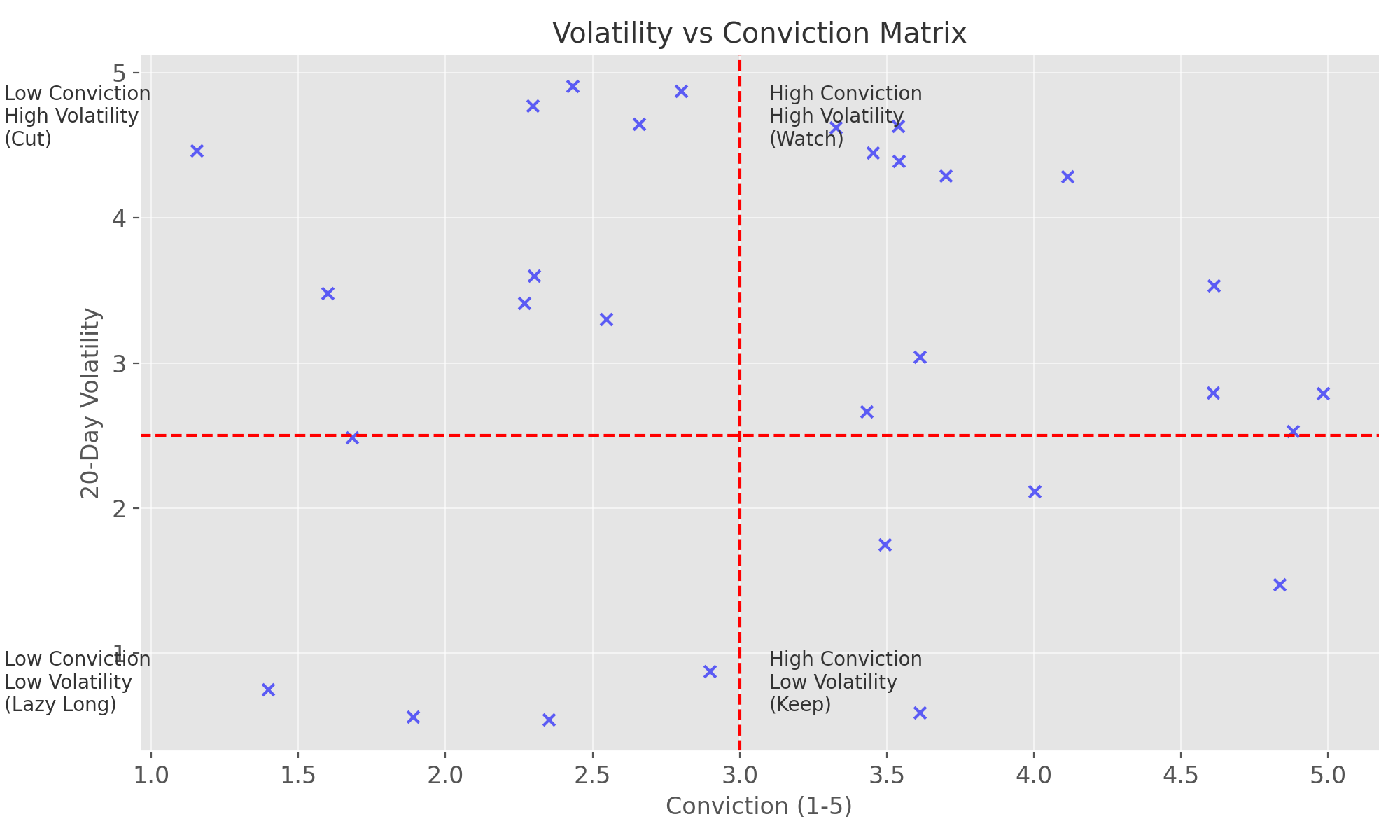
Short-Term Volatility Is a Useful Measure
Another key metric is daily volatility. It doesn’t directly reflect a stock’s fundamental risk, but it estimates what the market perceives as risk. This helps you understand your exposures, especially when the market is struggling.
By applying a multiple to daily volatility, you can manage position sizing and the overall risk in your portfolio. Short-term volatility, like over 20 days, can even predict the next month’s volatility, tightening your decision-making window. However, your primary focus should always be the quality of cash flows and valuation, as these drive your conviction and holding period.
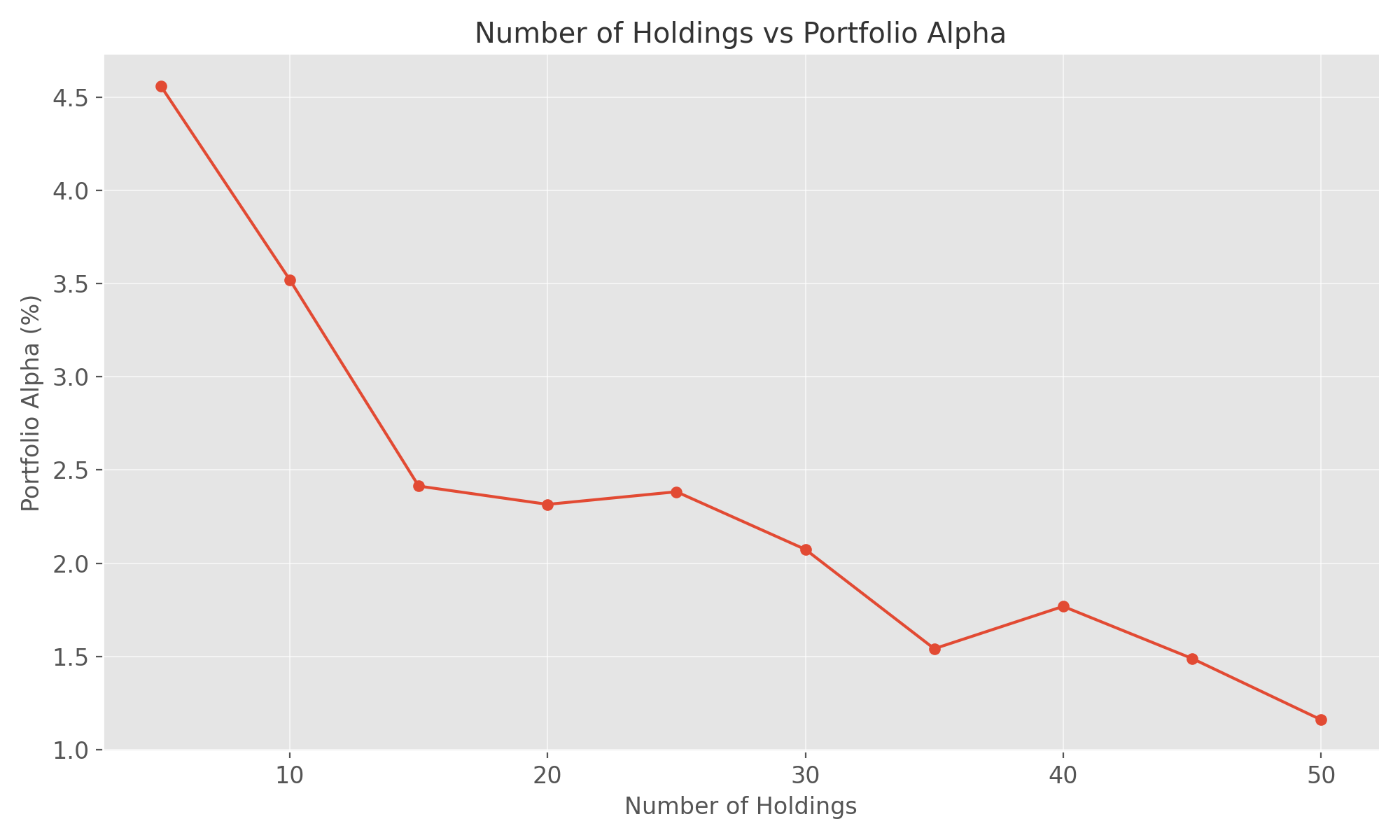
Sleeping at Night Is Inversely Correlated With Position Creep
Position creep — when your portfolio grows unchecked as you get bullish and reluctant to sell — can leave you overwhelmed, with no clear picture of your holdings. Investors often lose sleep, wondering if they should even own certain stocks. A disciplined approach helps scale things back.
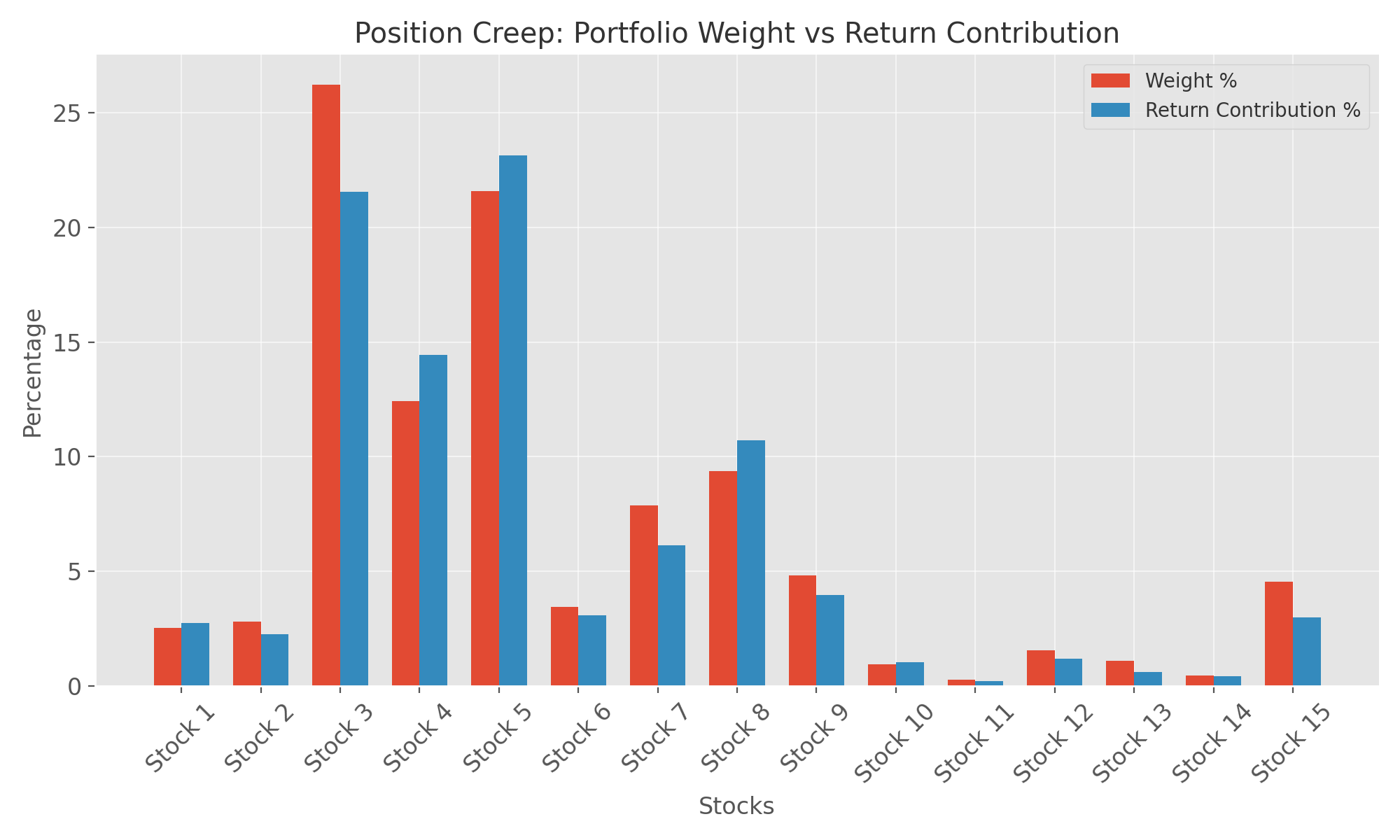
Only Take Meaningful Position Sizes, Otherwise the Stock Must Go
Another issue with position creep is that owning too many stocks dilutes their impact on your performance, making your portfolio mimic the market.
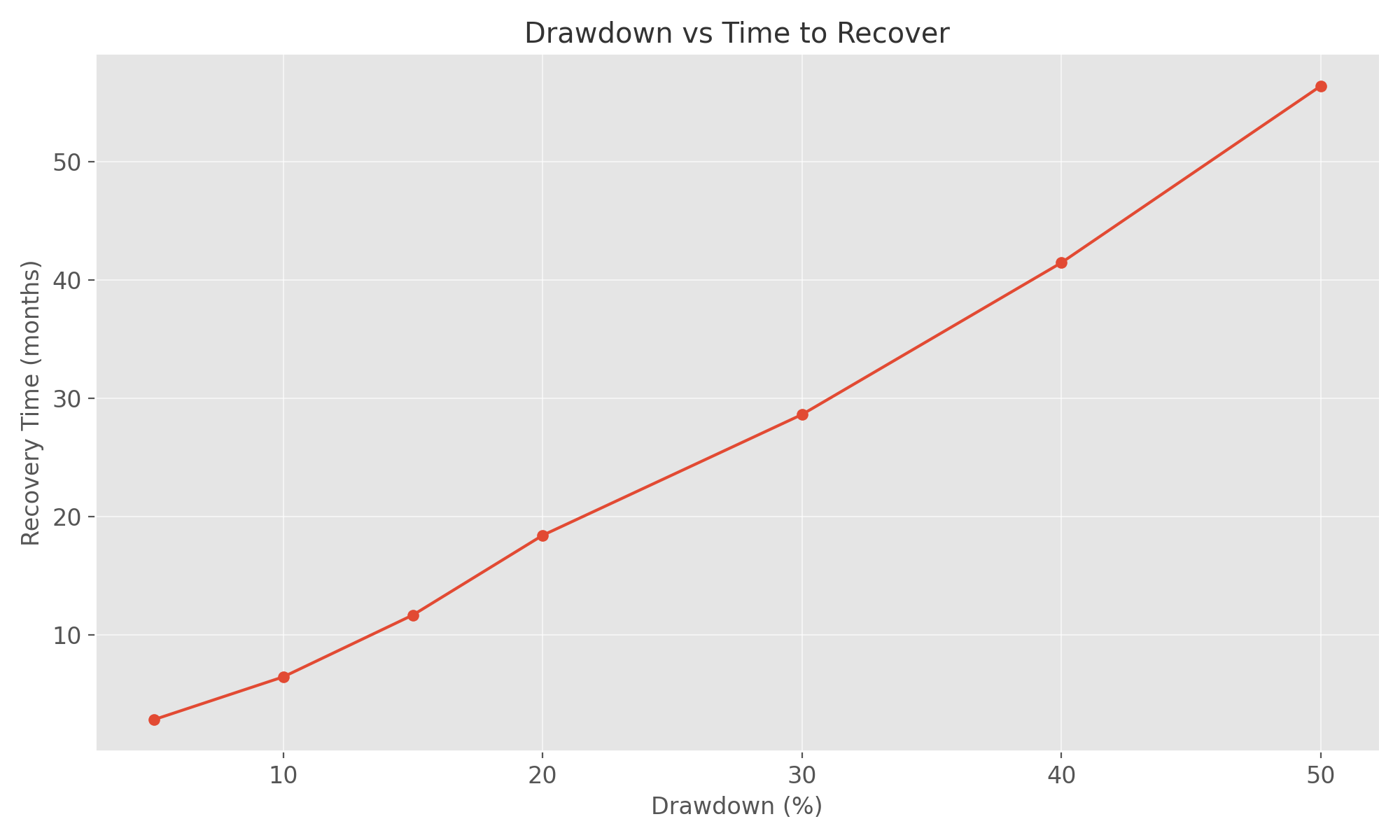
Long-term success depends not just on how fast you climb in rallies but on how well you protect capital during drawdowns. The bigger the drawdown, the harder it is to recover.
Open Your Opportunities to Non-Equity Instruments That Can Make You Money
To stay flexible, consider other asset classes beyond stocks. Ideally, you’d have the ability to go long or short in commodities, currencies, or precious metals, with room for aggressive strategies if that suits you.
Don’t Let Taxes Rule Your Decisions
Tax constraints can complicate selling, so establish a tax budget upfront. However, don’t let taxes trap you.
I recently attended a meeting with a portfolio manager, an investment analyst, and advisors discussing tax-loss harvesting. While it can add value, it’s little consolation if you’re losing big.
Rebalancing Technology Can Be Great, but It’s Usually Missing a Key Ingredient
Systematic tax-loss harvesting often relies on correlation to replace stocks, but high correlation doesn’t mean two businesses are alike. For example, two stocks in the same industry might seem similar but differ vastly in fundamentals.
Algorithms focused solely on correlation and taxes often ignore expected returns, assuming they’re equal or that correlation implies similar returns. This flaw in many retail rebalancing models can undermine your portfolio.
Generate Alpha From Security Selection and Tax Optimization
If you’re holding too many stocks and just tax loss harvesting, you’re likely not generating alpha through security selection — you’re banking on tax moves. This can help but also harm if it overlooks a stock’s expected return.
Now’s the time to tackle those lazy longs and streamline your portfolio. That’s what I’ve been working on this past week for clients who are spread too thin in meaningless positions. To me, if you’re not willing to do this, you might as well own the indexes.