Ditch Those Old Set and Forget Portfolios and Build a Flexible One for Any Market
Here's how to construct a retirement allocation with the flexibility to adjust based on economic trends, interest rates or stock valuations.
You've reached your free article limit
You've read 0 of 1 free Pro articles.
The old-school financial advice has been to “set and forget” your retirement portfolio.
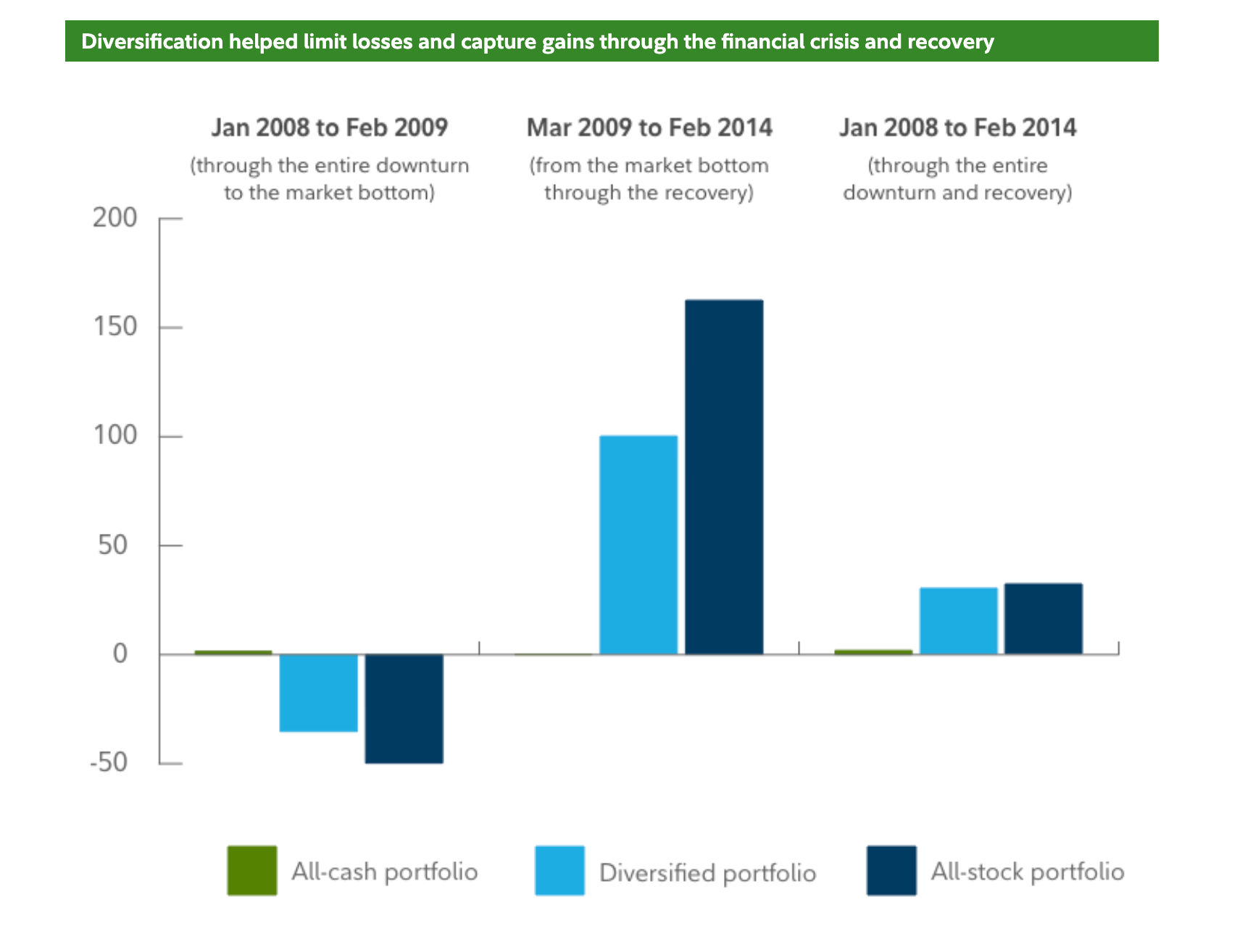
There’s plenty of data to show that just staying the course and rebalancing at regular intervals is a way to grow your assets while minimizing risk.
Here’s an easy-to-read bar chart from Fidelity, showing how a balanced portfolio helped stem losses and capture gains during the 2008 financial crisis and the ensuing years.
You might say, “Well, I’ll just go into cash in a downturn and get back into the market when the rally starts again.”
Here’s the problem: People who do that often don’t have confidence that a rally has actually begun.
Many years ago, I overheard two guys talking on a plane. They were bemoaning the 2008 through 2009 bear market, and were both boasting that they’d gotten out, and hadn’t gotten back in.
Now, this was either 2010 or early 2011. By January 2011, the S&P 500 was up 81% from its March 2009 low. So they missed out on that rally, and were bragging. I also bet they got out when stocks were trading pretty low, so they had even more ground to make up.
Another Way to Invest
Retirement investing shouldn’t be some outdated “buy and hold” exercise.
A well-structured retirement portfolio should balance growth, income and risk management. Instead of simply holding a 60/40 stock-bond portfolio indefinitely, a more active investor might want the flexibility to adjust allocations based on economic trends, interest rates or stock valuations.
For example, here’s how a core-and-satellite approach might work.
1. Core Holdings: Long-Term Stability
Your core portfolio should include reliable, high-quality assets that don’t require frequent trading. In other words, when the market heads south, you’re not automatically smashing that “sell” button.
Examples of Core Holdings:
- Broad Market ETFs
- Vanguard Total Stock Market ETF VTI: Broad exposure to domestic equities.
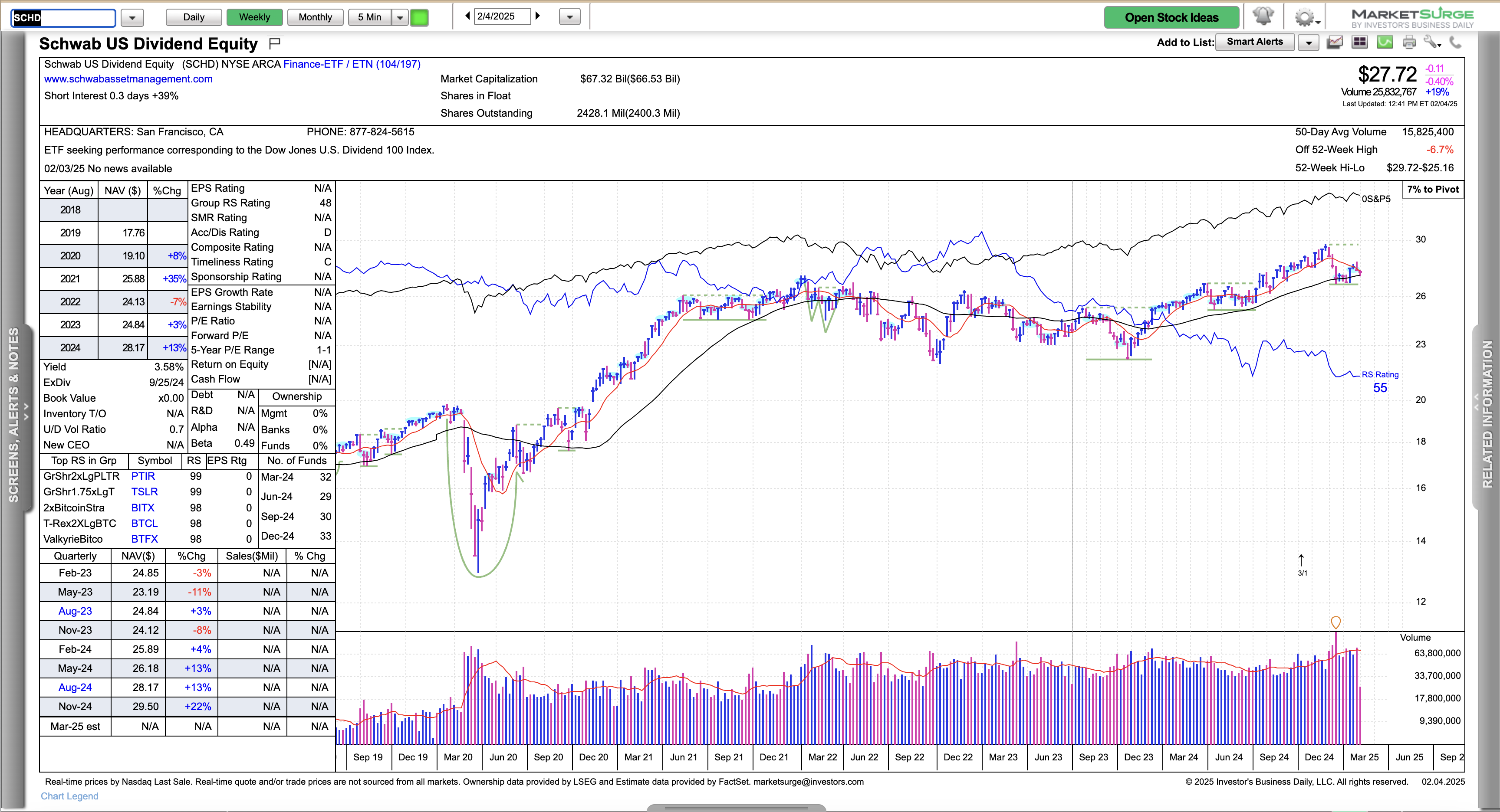
- Schwab U.S. Dividend Equity ETF SCHD: High-quality dividend payers
- Dividend Stocks for Income Stability
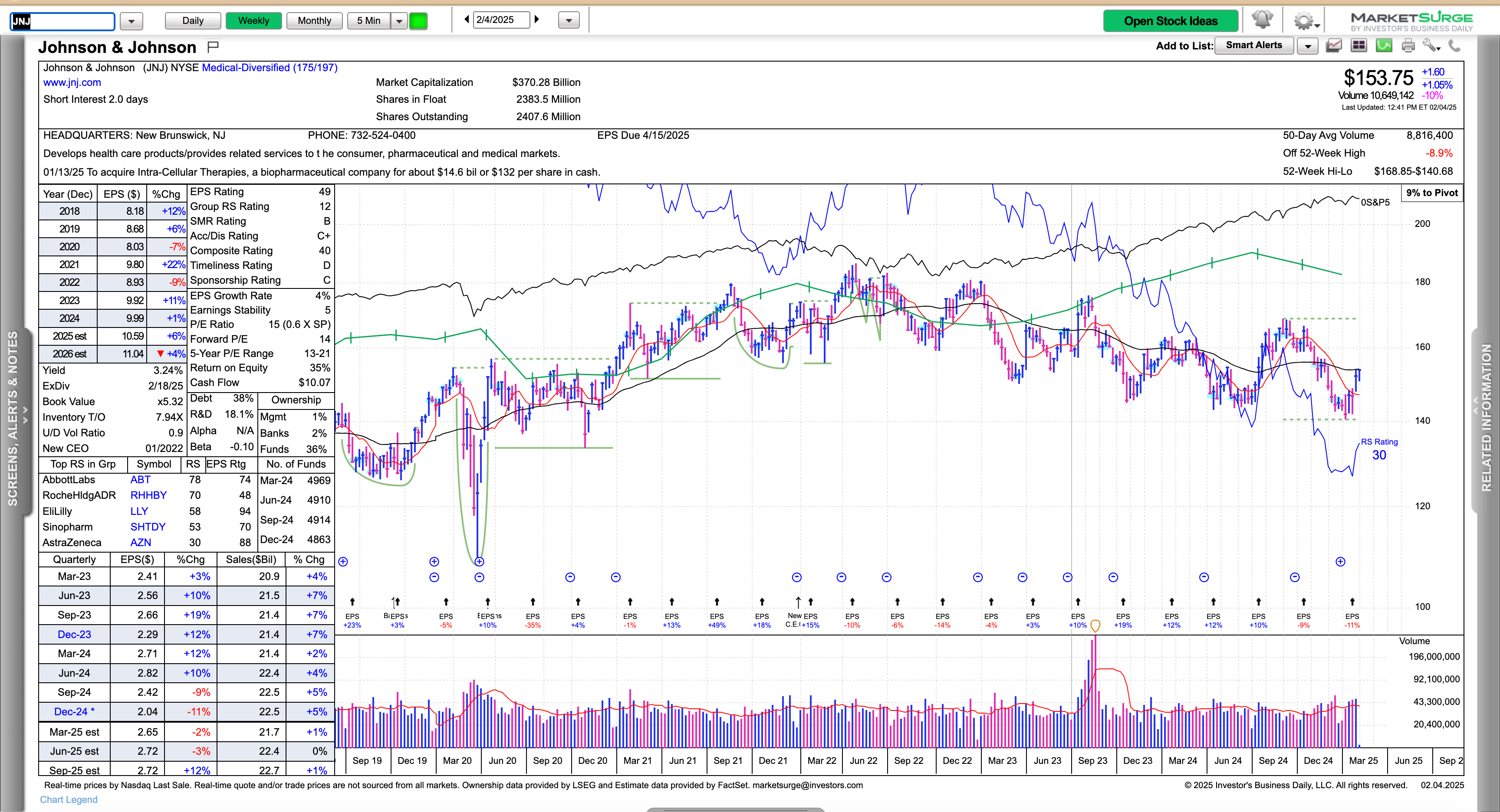
- Johnson & Johnson JNJ: Defensive healthcare name with strong dividend history
- Microsoft MSFT: Dividend growth along with capital appreciation
- AES Corporation AES: Diversified energy company with steady dividend growth driven by global energy demand.
- Investment-Grade Bonds & Bond Funds
- Vanguard Total Bond Market ETF (BND): Broad exposure to U.S. bonds
- iShares iBoxx $ Investment Grade Corporate Bond ETF LQD: High-yield corporate bonds
These core holdings are examples of what can make up the “base” of a portfolio. Even in market downturns, you’ll have exposure to high-quality assets that generate income and capital appreciation.
2. Tactical Allocations: Adjusting for Market Conditions
A tactical investor may want to adjust portfolio weightings based on macroeconomic trends such as inflation, rising interest rates or sector momentum.
When to Adjust & Where to Invest:
- During Market Volatility
- Increase allocation to defensive sectors like consumer staples XLP or utilities XLU.
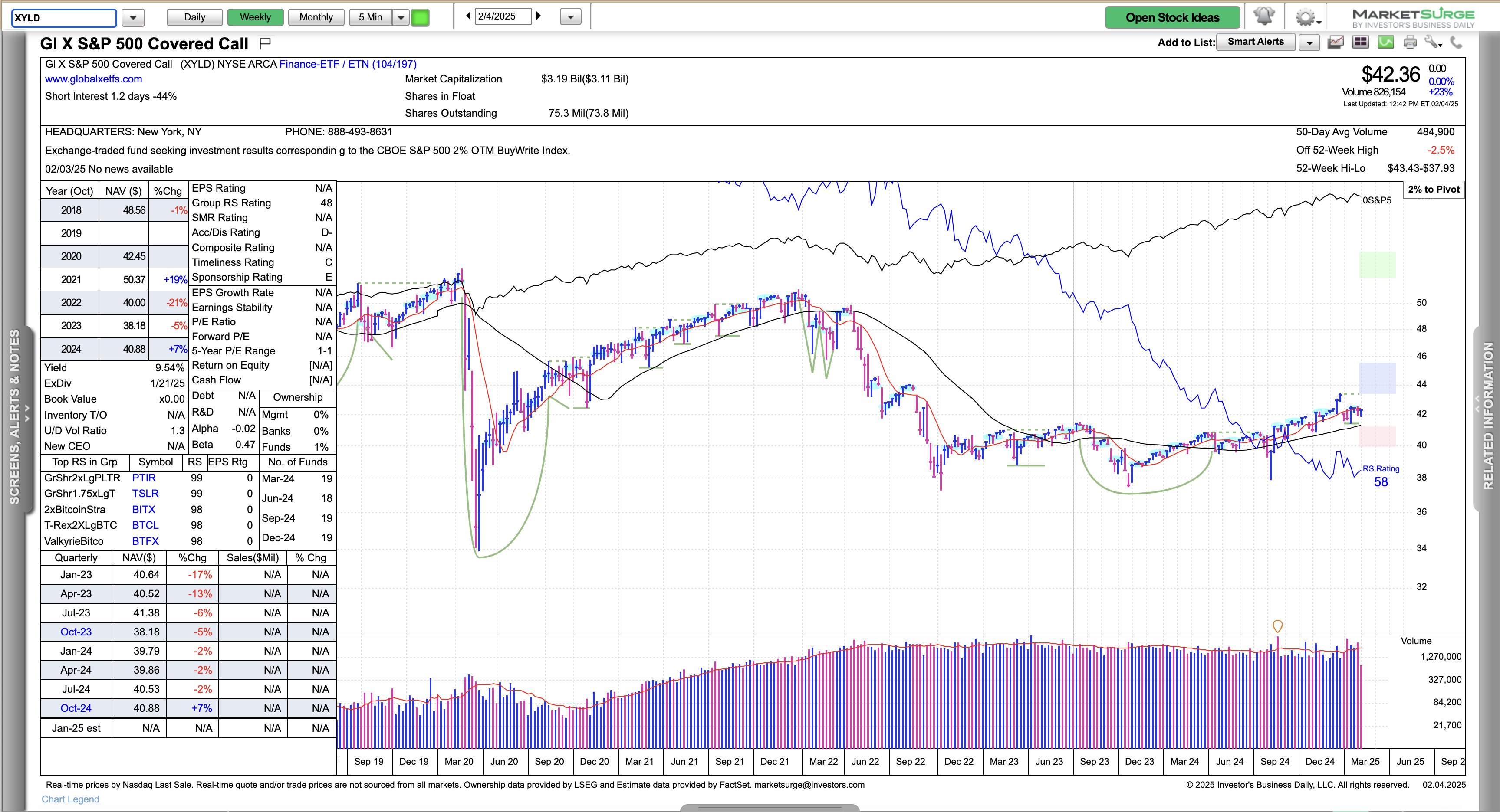
- Shift into dividend-paying stocks or covered call ETFs like Global X S&P 500 Covered Call ETF XYLD.
- When Interest Rates Rise
- Reduce exposure to long-duration bonds (which lose value as rates rise).
- Add short-term bonds SHY or floating rate bond ETFs FLOT for stability.
- Consider financial stocks XLF, which benefit from higher rates.
- When Economic Growth Accelerates
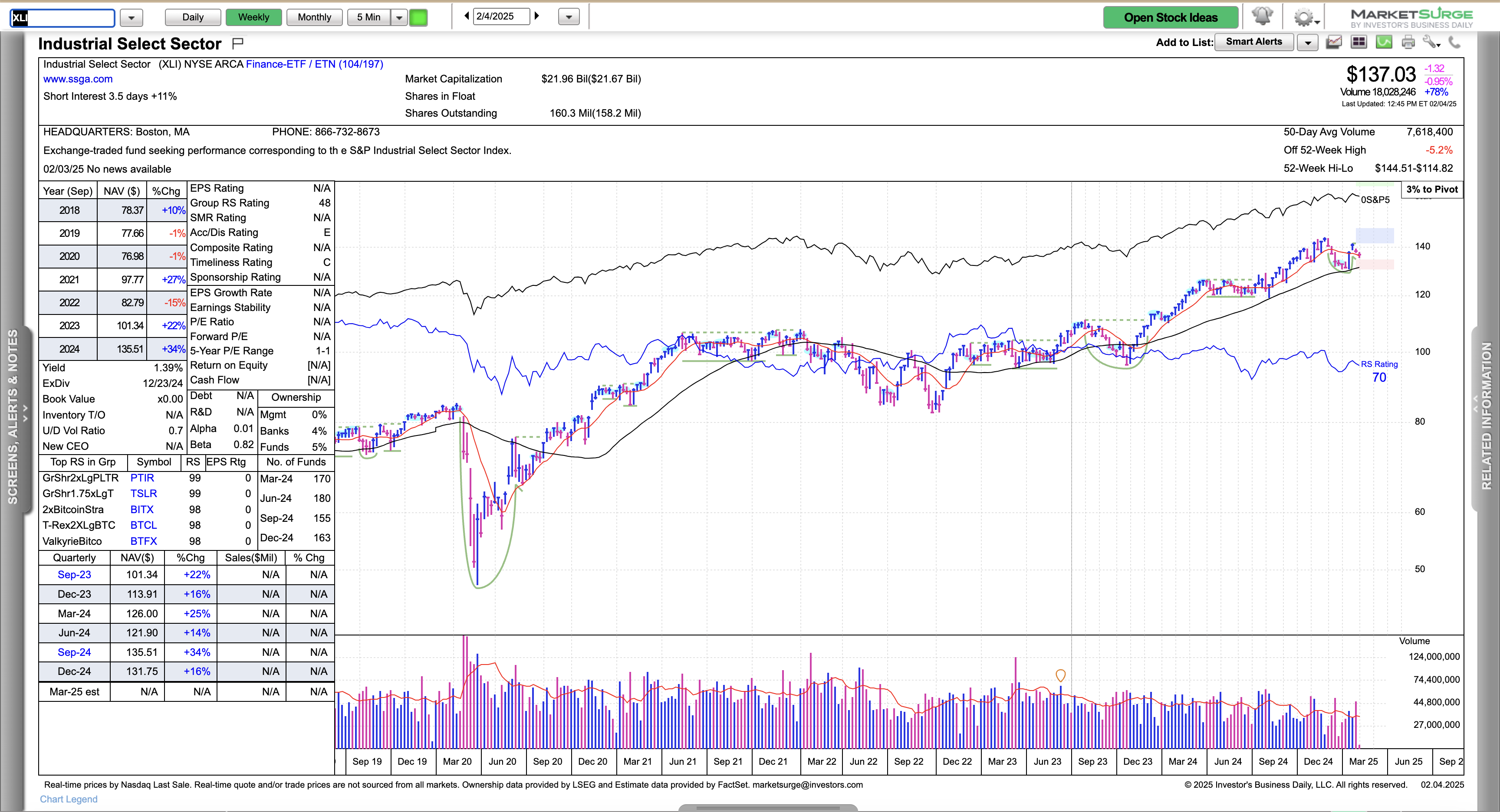
- Increase exposure to cyclical stocks like industrial ETFs XLI or small-cap growth IWO.
- Reduce defensive positions and shift into high-beta stocks or funds.
- When Inflation is High
- Add exposure to commodities DBC, energy stocks XLE, and gold GLD.
- Reduce reliance on bonds that lose value in inflationary periods.
3. Rebalancing: When to Take Action
A tactical investor doesn’t just make moves for the fun of it. Remember, we’re not talking about panic selling here. That’s always the risk of calling yourself a tactical investor. Don’t confuse that term with being an active trader.
Sector Strength & Weakness – When a sector gets too hot (think tech stocks in 2021), it might be time to take some profits and shift into areas that are still undervalued.
- Dividend Cuts: If a company lowers its dividend, that can be a red flag. It could be a short-term issue. For example, many companies cut dividends during the pandemic as a cautionary move, but later reinstated them. However, a dividend cut could indicate a company that’s in trouble.
- Interest Rate Moves: If the Fed signals multiple rate hikes, certain investments (like long-term bonds) could take a hit. Consider shifting into areas that benefit from higher rates, like financial stocks or short-term bonds.
- Earnings and Economic Trends: Strong or weak earnings reports can tell you a lot about which sectors are gaining momentum. Keep tabs on what’s happening in the broader economy, and which sectors are hot or not.