Catching Investment Opportunities in the SPDR’s Web
Replace portfolio chaos with a simple approach
You've reached your free article limit
You've read 0 of 1 free Pro articles.
Quick, without looking, what’s in your retirement account? Traditional or Roth, it doesn’t matter. What do you own there?
There’s a good chance you don’t know.
That’s easily remedied by organizing and streamlining your holdings. You can even draw from specific fund families to do that. Today, I’ll look at an example of how State Street ETFs fit the bill.
In “Unlock the Power of ETFs,” State Street Global Advisors offers the following reasons to use ETFs:
- ETFs deliver broad diversification, liquidity, transparency, and cost efficiency.
- State Street's SPDR ETFs provide stable, flexible building blocks for global portfolios.
- ETFs offer simple and efficient access to different asset classes.
The point here isn’t to recommend State Street over any other fund provider; it’s to show how it’s pretty simple to use products from one fund family to construct a balanced portfolio.
You're not alone. Most investors don't know what they're invested in.
I’ve seen it over and over again. A client comes to the office and is surprised to learn their IRA still holds that international high-yield mutual fund they bought 20 years ago, two different S&P ETFs, an emerging-market bond ETF, 10 shares of Meta (META) , and $80,000 just sitting there, neglected, in cash.
And the research shows that my experience with new clients isn't unusual. There's a big gap between what investors think they own and what's actually in their portfolios.
For example, Vanguard's “Out of sight, out of market: The IRA cash drag” illustrates that many investors don't understand how their retirement accounts work.
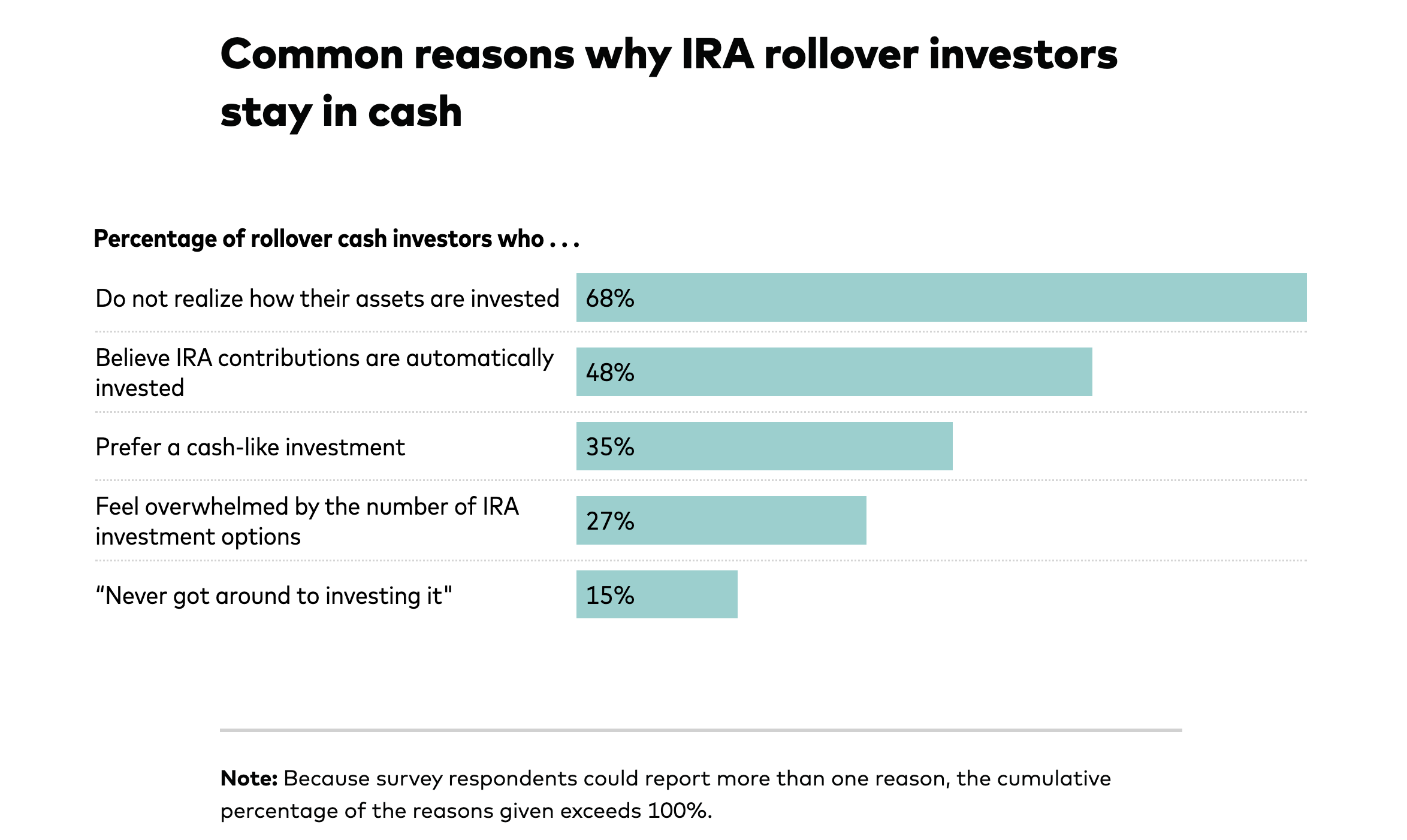
The Center for Retirement Research at Boston College answered the question “Why Do Desired Stock Allocations Differ from Actual Holdings?” by showing that plenty of people manage their IRAs using the rarely successful set-it-and-forget-it approach. That leaves many investors under-diversified, over-concentrated, or simply misaligned with their risk tolerance.
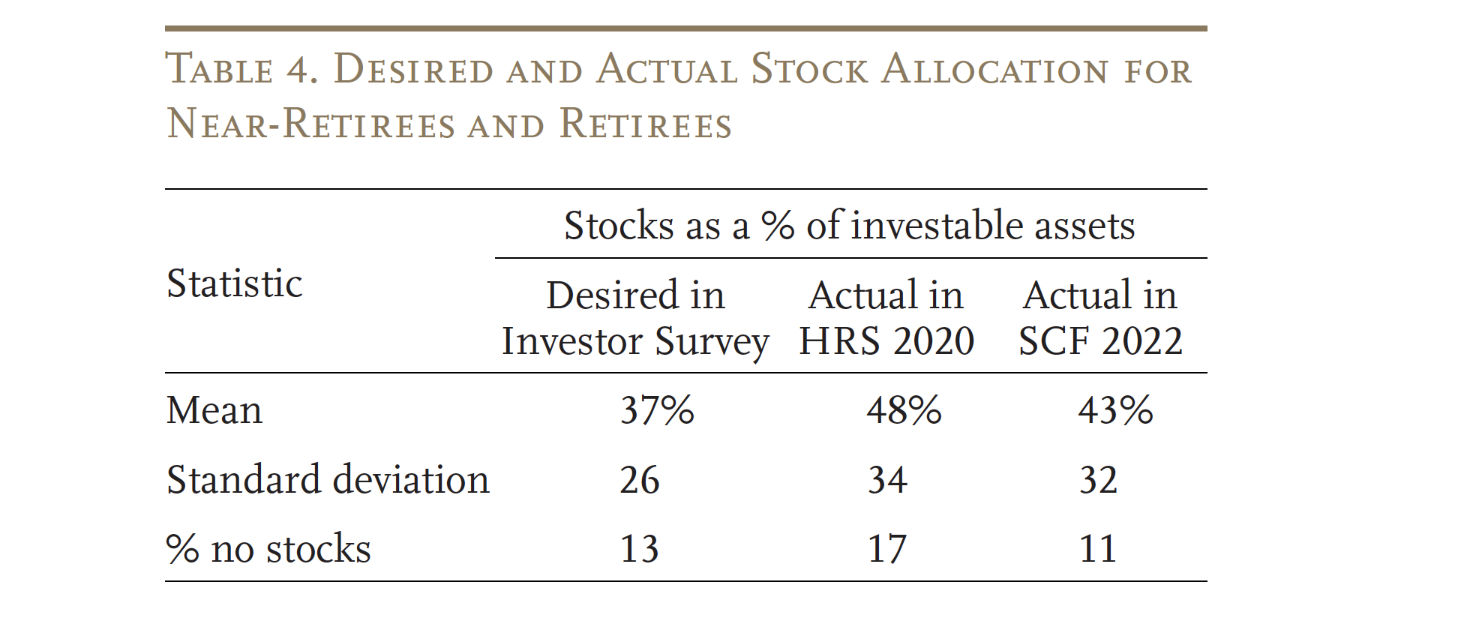
While the average investor claims to want a third of their money in stocks, the reality is that they hold either far more than that or no stocks at all! In the best of cases, it's because stocks beat bonds over the long run and investors forget to manage their allocations. But for many, they might have simply picked the wrong stocks and lost money.
The result: a big gap between what people think they own and what’s really in their portfolios.
Using SPDRs to Crawl the Investment Universe
Let’s take a look at the State Street ETF family and discuss how you can use it to construct an allocation suitable for you.
The company is probably best known for its suite of Select Sector SPDR ETFs that track the S&P 500 and its individual sectors. One of those includes the OG ETF, the SPDR S&P 500 ETF (SPY) , which launched in 1993 and started the gradual process of ETFs replacing mutual funds.
State Street’s investment philosophy boils down to broad diversification, low costs, and full transparency. Admittedly, that's pretty easy to accomplish when you’re just tracking an index or index sectors. Still, it’s more predictable and less expensive than actively managed funds, and saving money usually benefits investors over the long haul when they're trying to grow their wealth.
State Street emphasizes using ETFs as flexible portfolio “building blocks.” That’s consistent with the approach taken by many financial planners.
As a starting point, here’s a 60/40 portfolio using State Street ETFs. There’s no real reason to use only one fund family in your portfolio; there are generally multiple ETFs on the market that track any given major index.
So consider this “for illustrative purposes.” There are plenty of ETFs from companies such as iShares, Dimensional Fund Advisors, Vanguard, and Schwab, among others, that would be suitable.
- 36% SPDR S&P 500 ETF (SPY): Broad U.S. equities
- 24% SPDR Portfolio Developed World ex-U.S. ETF (SPDW): International equities for global diversification
- 28% SPDR Portfolio Aggregate Bond ETF (SPAB): Core U.S. bonds for stability and income
- 12% SPDR Bloomberg International Treasury Bond ETF (BWX): International government bonds from developed markets
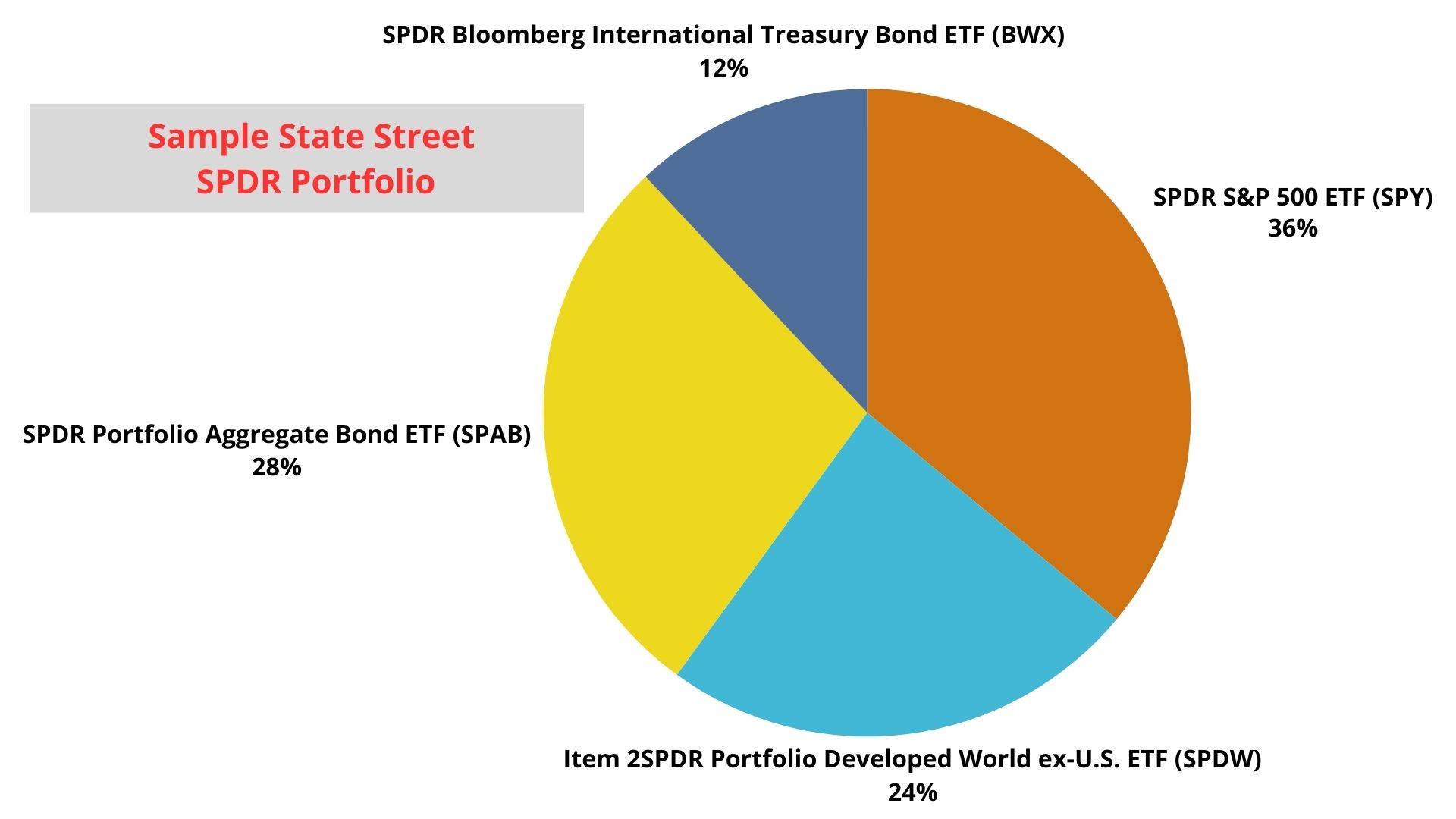
This mix gives roughly 60% equities / 40% bonds, with geographic and asset-class diversification.
Asset Allocation, Simplified
Domestic and international equities offer long-term growth potential to outpace inflation and support decades of retirement spending.
Bonds reduce volatility and offer income, offering a buffer when equity markets wobble.
Global diversification spreads risk across economies, reducing dependence on U.S.-only cycles.
“A strong, flexible portfolio depends on how you allocate assets in the core. That’s because the core is the largest part of a portfolio, and research has long shown that asset allocation decisions explain over 90% of the variance in portfolio returns” according to State Street's Matthew Bartolini and Anqi Dong in “Core portfolio construction principles.”
Simply put, they added, it all starts with asset allocation.
“And today’s low return expectations make building a low-cost, diversified core more important than ever, as costs accumulate over time, eroding a portfolio’s total return,” they wrote.